On Saturday, Venezuela announced that Iran has offered its assistance to combat what it describes as "state piracy and international terrorism" allegedly imposed by the United States. This statement comes in the wake of a second Venezuelan oil tanker being seized off the country's coast.
The declaration was made by Venezuela's Foreign Minister, Yván Gil, who mentioned having a phone conversation with his Iranian counterpart, Abbas Araghchi. During this call, Tehran reportedly expressed "full solidarity" with Caracas and offered cooperation in various fields to counteract what they perceive as Washington's aggressions.
"Venezuela has received a strong show of solidarity from the Islamic Republic of Iran, alongside an offer of comprehensive cooperation to tackle the state piracy and international terrorism the United States seeks to impose through military force, violating the United Nations Charter and international law," Gil stated in a Telegram message.
The Venezuelan foreign minister emphasized that both nations discussed the "threats, acts of piracy by the United States, and the theft of ships loaded with Venezuelan oil," referencing the uptick in U.S. military operations in the Caribbean.
This Saturday marked the second seizure of a Venezuelan oil tanker by the United States in under two weeks.
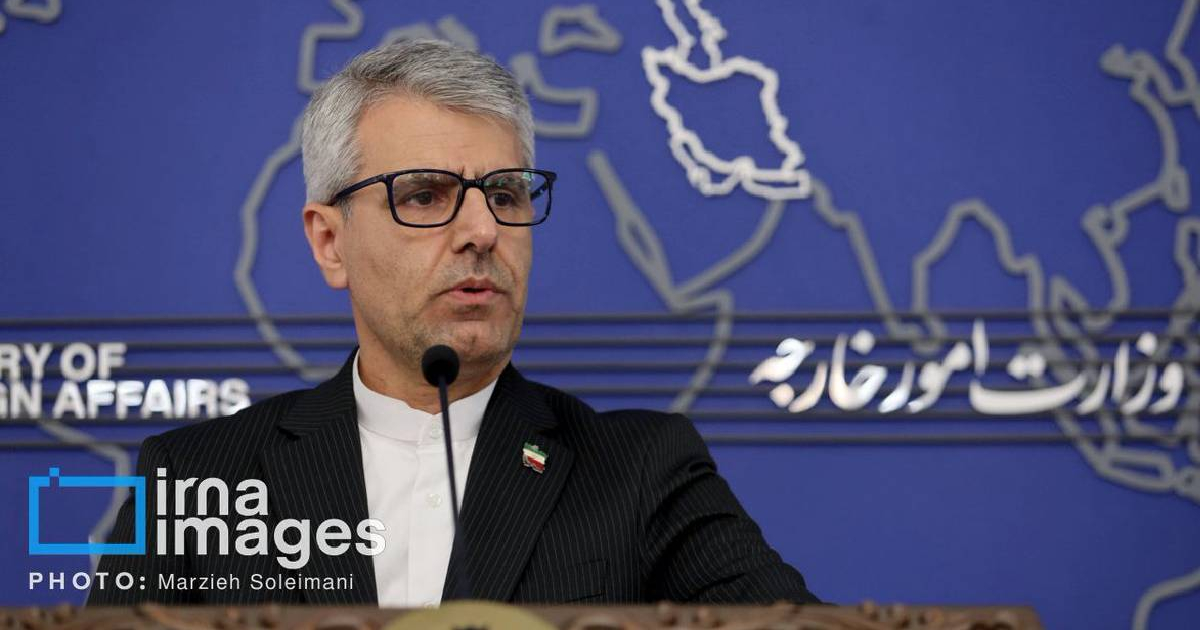
Shortly after, the Iranian government condemned the U.S. seizure of the Venezuelan oil ship as an act of "state piracy."
"Intercepting and seizing a merchant vessel carrying oil near Venezuelan waters is an example of state piracy," declared the Iranian foreign ministry in a statement released on Telegram.
The recent seizure, confirmed by U.S. officials to CNN, was carried out by the U.S. Coast Guard. It involved a Panama-flagged tanker transporting Venezuelan crude to Asia.
According to U.S. authorities, the vessel was not listed on the Treasury's sanctions list.
Secretary of Homeland Security, Kristi Noem, commented on social media platform X, mentioning that the ship had recently docked at Venezuelan ports. She warned, "The United States will continue to target the illicit movement of sanctioned oil."
This operation follows just ten days after the seizure of the Skipper tanker, a vessel linked to Iran and sanctioned by the Treasury Department, which was headed to Cuba.
Following the initial seizure, President Donald Trump declared that his administration would "continue to pursue all ships transporting Venezuelan oil" and even announced a "naval blockade" against tankers sanctioned for ties with the Caracas and Tehran regimes.
Tensions between Washington and Caracas have escalated since early December, when the United States deployed thousands of troops and a naval strike group to the Caribbean to curb drug and arms trafficking originating from Venezuela.
The Pentagon has acknowledged 29 operations against suspicious vessels, which have resulted in more than a hundred fatalities.
Understanding U.S.-Venezuela Tensions
Why did Iran offer support to Venezuela?
Iran offered support to Venezuela in response to what it described as U.S. "state piracy" after the seizure of a Venezuelan oil tanker, aiming to show solidarity and offer cooperation against perceived U.S. aggressions.
What actions has the U.S. taken against Venezuelan oil tankers?
The U.S. has seized Venezuelan oil tankers, citing sanctions and illicit activities, as part of a broader effort to curb the movement of sanctioned oil and target vessels with ties to the Caracas and Tehran regimes.
How has the international community reacted to these events?
Reactions vary, with some countries supporting U.S. actions as necessary enforcement of sanctions, while others, like Iran, have criticized them as acts of state piracy, increasing international tensions.