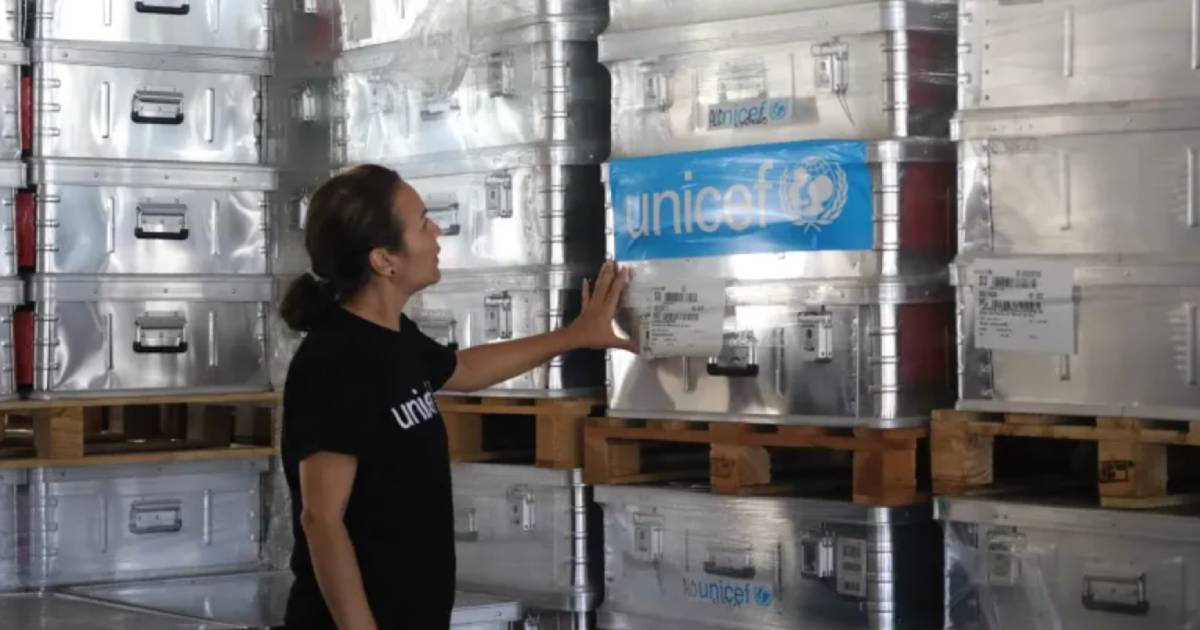
The Cuban regime discreetly included supplies to combat the chikungunya and dengue outbreak within an international request for aid following Hurricane Melissa, failing to disclose that these items were intended to tackle the epidemic.
According to documents obtained by the EFE agency, Cuba's Ministry of Public Health (MINSAP) sent a list to several embassies and United Nations agencies on the island that included "large quantities" of chemicals to fight mosquitoes—the carriers of both diseases—at a time when the epidemic had reached its peak.
Despite the list being dated October 27, during the epidemic's most critical week, the government delayed officially declaring the outbreak as an "epidemic" for another 17 days, as noted in the report.
EFE reports that despite the "obvious strain on the hospital system," no official health emergency was declared. The document, titled "Main Needs for Addressing Hurricane Melissa by the National Health Service," was a four-page table with "multiple health chapters," EFE explains.
Under the "Hygiene and Epidemiology" section, MINSAP specifically requested 200 tons of the larvicide Abate at 1% concentration and 40 tons of the insecticide cypermethrin at 25% concentration. EFE highlights that both are "particularly effective" against mosquito infestations.
Independent experts consulted by EFE—both Cuban and foreign, from academic and business fields—agreed that the requested quantities were exceedingly high and seemed more suited for a national campaign rather than addressing potential post-hurricane hotspots.
These specialists indicated that for indoor fumigation using lances ("bazookas"), a common method in Cuba, between 5 and 10 milliliters of cypermethrin are used per liter of diesel. With the requested amount, EFE's calculations suggest between 666,000 and 1,333,000 six-liter "bazookas" could be deployed.
Regarding Abate, EFE notes that typical doses range from 5 to 50 kilograms per hectare, depending on water conditions; using an average of 20 kilograms per hectare, the requested quantity would cover 100 square kilometers of relatively deep water with organic matter.
As of the report's date, no country or multilateral agency appeared to have addressed this "specific point" of the request.
In recent weeks, the Cuban government acknowledged that the country's crisis had hampered traditional fumigation campaigns and that there were shortages of supplies and personnel to maintain them.
The arbovirus crisis is escalating. Cuban health authorities reported five additional deaths related to the current epidemic, bringing the total death toll to 52. Of these, 34 are attributed to chikungunya and 18 to dengue, according to Dr. Carilda Peña García, Vice Minister of Public Health, as reported on television.
Peña García detailed that 539 cases of chikungunya were reported in the latest figures: 22 PCR-confirmed cases and 517 suspected cases. The total case count stands at 47,003 (45,351 clinically suspected and 1,652 PCR-confirmed).
Transmission spans 15 provinces and the special municipality, affecting 132 municipalities and 241 health areas. Regarding clinical severity, the vice minister indicated that 36 patients were in intensive care, with 24 classified as severe (19 of whom are under 18) and 12 in critical condition, with "almost 100%" of them being under 18, including infants and newborns as well as teenagers.
Chikungunya and Dengue Epidemic in Cuba
Why did the Cuban government include epidemic supplies in a hurricane aid request?
The Cuban government included supplies to combat the epidemic in a hurricane aid request as a discreet way to acquire necessary resources without directly acknowledging the severity of the chikungunya and dengue outbreak.
What chemicals were requested to fight the mosquito epidemic?
The Cuban Ministry of Public Health requested 200 tons of the larvicide Abate at 1% concentration and 40 tons of the insecticide cypermethrin at 25% concentration.
How is the epidemic affecting the Cuban healthcare system?
The epidemic is severely straining the healthcare system, with increased mortality and a significant number of patients in intensive care, including many under 18 years of age.