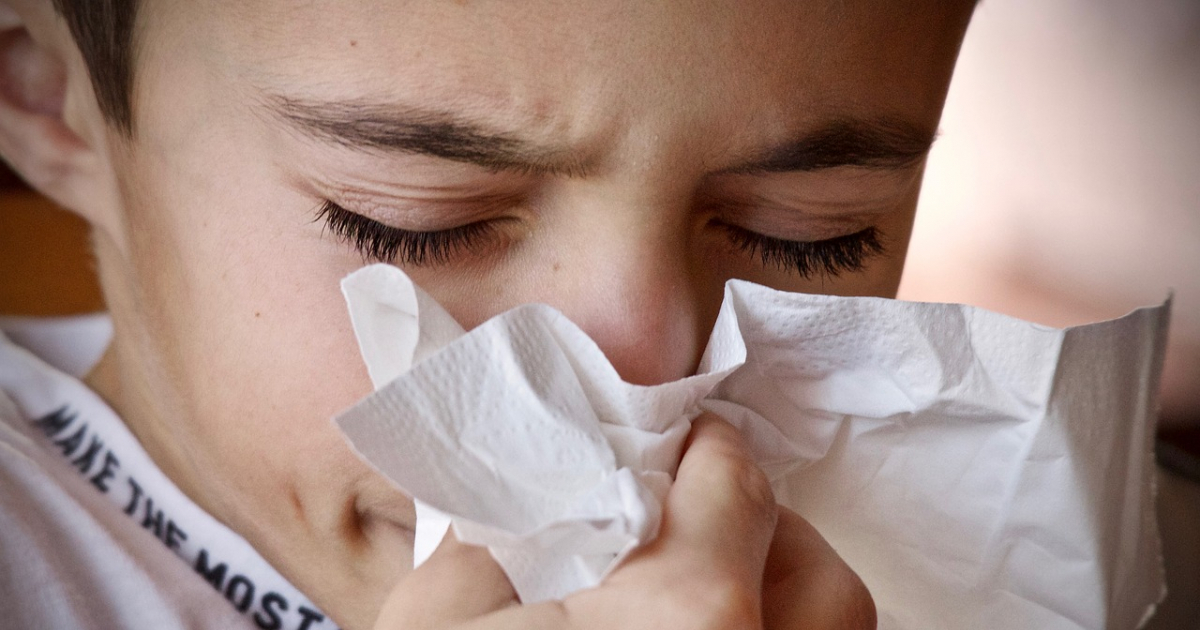
The United States is experiencing one of the most severe flu seasons in recent years, with almost three million confirmed cases since the season's onset, according to data from the Centers for Disease Control and Prevention (CDC).
Health officials have also noted an 8% rise in cases over the last week, with more than 1,200 deaths linked to the virus.
Reports from Telemundo Noticias highlight the concern among patients and families regarding the spike in influenza cases.
Socorro Leal, a cancer patient, emphasized her vigilance in protecting herself by always wearing a mask. "Most people get sick with the flu, right? But if we get vaccinated, we don't have a problem," she remarked.
Another parent stressed the importance of caring for children: "If they get sick, you have to be there for them; that's why it's crucial to protect them."
Following the Thanksgiving holiday, infections have surged in several states, particularly in Colorado, New Jersey, New York, and Louisiana.
The CDC attributes this increase to the circulation of a new virus variant, H3N2, subclade K, which is causing more severe illnesses, leading to higher hospitalization rates and respiratory complications.
As the number of cases rises and the year-end holidays approach, doctors are urging people to strengthen preventive measures. Dr. Emma B. Olivera stressed the importance of washing hands with soap and water, staying current with vaccinations — including the flu shot — and remaining at home if symptoms develop.
"Do not prepare food or attend events while sick," she warned.
The CDC has also raised alarms about the rise in norovirus cases, a virus different from the flu but equally contagious, responsible for vomiting and diarrhea.
Transmission of norovirus tends to increase from November through April, with outbreaks particularly impacting western states.
In California, health authorities report surges in the San Francisco Bay Area and Los Angeles.
Experts continue to emphasize that vaccination and hygiene remain the most effective tools for controlling the spread of influenza and other respiratory infections during this winter season.
The epidemiological situation in the United States has been marked by various viral threats, necessitating reinforced preventive and surveillance measures.
One recent concern is chikungunya, prompting the CDC to issue a Level 2 travel alert for Cuba due to an active outbreak, with tens of thousands of confirmed cases on the island.
Although no domestic cases have been recorded in the U.S. in recent years, the CDC has cautioned that the risk of reintroduction exists due to the presence of the Aedes aegypti mosquito in several southern states.
Simultaneously, Florida's legislative changes have sparked controversy within the medical community by removing the requirement for certain childhood vaccinations.
These include vaccines against hepatitis B, pneumococcus, and Hib influenza. Experts warn that this decision could lead to outbreaks of preventable diseases, particularly in areas with low immunization coverage, and note that no impact studies have supported this decision.
Adding to these concerns, a recent norovirus outbreak occurred on a cruise ship arriving in Miami, affecting over 90 individuals with gastrointestinal symptoms. The highly contagious virus caused diarrhea, vomiting, and fever, mandating the implementation of special health protocols. Although the incident was contained, it highlighted the rapid spread of infectious diseases in enclosed environments and the importance of maintaining active surveillance during the winter season.
Understanding the Current Influenza and Norovirus Situation in the U.S.
What are the current influenza statistics in the U.S.?
As of the latest reports, the United States has seen nearly 3 million confirmed influenza cases this season, with an 8% increase in recent weeks and over 1,200 deaths linked to the virus.
How is the H3N2 variant affecting this flu season?
The H3N2 subclade K variant has been identified as causing more severe cases of influenza, resulting in higher hospitalization rates and more serious respiratory complications.
What preventive measures are recommended during the flu season?
Doctors advise regular hand washing, staying updated with vaccinations, avoiding public activities when symptomatic, and using masks as measures to prevent the spread of influenza.