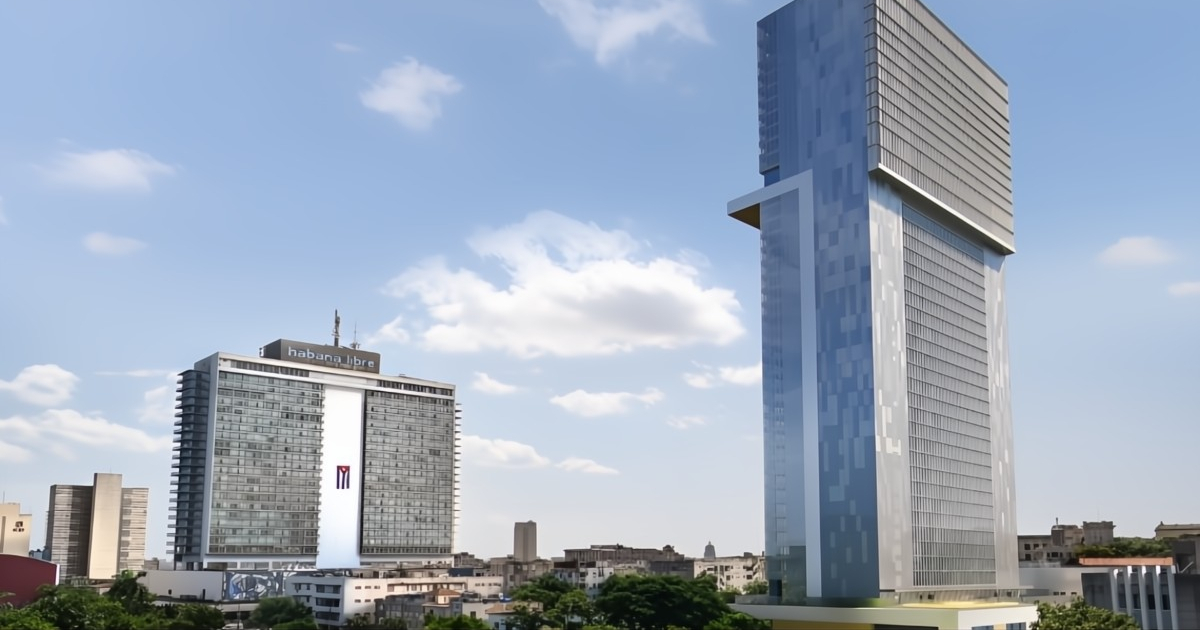
The Ministry of Tourism (MINTUR) of Cuba took to social media on Wednesday to defend itself against a wave of criticism and mockery following the promotion of the Iberostar Selection La Habana. This luxury hotel has been unveiled amid ongoing blackouts, shortages, and a severe economic crisis affecting most Cubans.
In a lengthy Facebook post, the ministry argued that it is "unfair" for an institutional publication to become the target of "disqualifications" that, according to them, attack "the principles of our identity as Cubans."
The ministry's response became more intense as they asserted that "Cuba is not a joke or a mockery," but should be viewed through the lens of its history and resilience.
Moreover, the message included a controversial statement suggesting that "criticisms born from immediate frustration may sound compelling, but they build nothing," a remark interpreted as a scolding directed at a population weary of the crisis.
The official's indignation followed over 500 comments, mostly sarcastic, that flooded the promotional post for the Iberostar, described by MINTUR as "the tallest building in Cuba" and a place to admire "the vibrant and cultural city of Havana." This wording became a flashpoint.
"Vibrant? Havana is dark and in ruins," one user retorted. "From up there, all you see is a giant Christmas tree: sometimes it lights up, sometimes it doesn't," another joked, referring to the frequent power outages in the capital.
The most repeated critique, however, focused on the disconnect between tourism propaganda and the country's economic reality. "If I earn four dollars a month, how many years do I need to save for a weekend stay?" an internet user asked. "Tell me the prices, so I can see if with my salary I can go in 20 years," added a young woman. Others were more direct: "The only thing you'll see from up there is the misery you've created."
Among the most shared comments was one alluding to the recent "1,100 dollars" rumor that caused crowds at hotels in various provinces. One user remarked, "Tomorrow I’ll go look for the 1,100 dollars from the beloved Ignacio Giménez... and also check out the hotel." This comment encapsulated the frustration and distrust plaguing the nation following the fake news that drove hundreds of desperate people.
MINTUR defended its stance by stating that promoting hotels is not about "applauding luxury," but affirming the country's right "to grow, to create, and to present ourselves to the world without complexes." It further argued that Havana remains a symbol of "resilience and living culture" and that reducing it to its problems is to ignore its essence.
Despite the institutional response, the public's discontent remains unaddressed. For many, the disparity between nearly empty five-star hotels and a populace enduring blackouts, epidemics, low wages, and suffocating inflation is too stark to dismiss as mere tourism promotion.
The debate has once again highlighted a persistent issue: the gap between official rhetoric and the daily reality of Cubans. On social media, the people responded with sarcasm, but also with exhaustion. The government replied with solemnity. And amid it all, a city that, far from the "vibrancy" promoted by MINTUR, feels increasingly drained.
Frequently Asked Questions About Cuba's Tourism Controversy
Why is the Cuban Ministry of Tourism facing criticism?
The ministry is facing backlash due to its promotion of a luxury hotel amidst Cuba's severe economic hardships, including blackouts and shortages. This has led many to criticize the disconnect between the country's tourism marketing and its harsh economic realities.
What was the public's reaction to the Iberostar hotel promotion?
The public largely responded with sarcasm and frustration, highlighting the disparity between luxury tourism offerings and the daily struggles faced by Cubans, such as low wages and frequent power outages.
How did the Ministry of Tourism defend its promotion of the new hotel?
The ministry argued that promoting hotels is not about celebrating luxury, but about affirming Cuba's right to grow, create, and present itself to the world without shame. It emphasized Havana's resilience and cultural vitality.