Dr. Lázaro Elieser Leyva García, a Cuban specialist in Internal Medicine currently residing in Spain, has issued a caution regarding the potential for an “immune storm” amidst the rising chikungunya cases in Cuba.
Utilizing social media to disseminate information, Dr. Leyva, known as Lázaro E. Libre on Facebook, emphasizes that his warnings are not intended to incite fear but to convey scientific facts in a straightforward manner. This approach aims to help the public grasp the severity of the situation and adopt necessary preventive measures.
He reminds us that chikungunya is an RNA virus that can mutate and adapt, referencing the E1-A226V mutation that once led to a massive outbreak in La Réunion, a French island in the Indian Ocean.
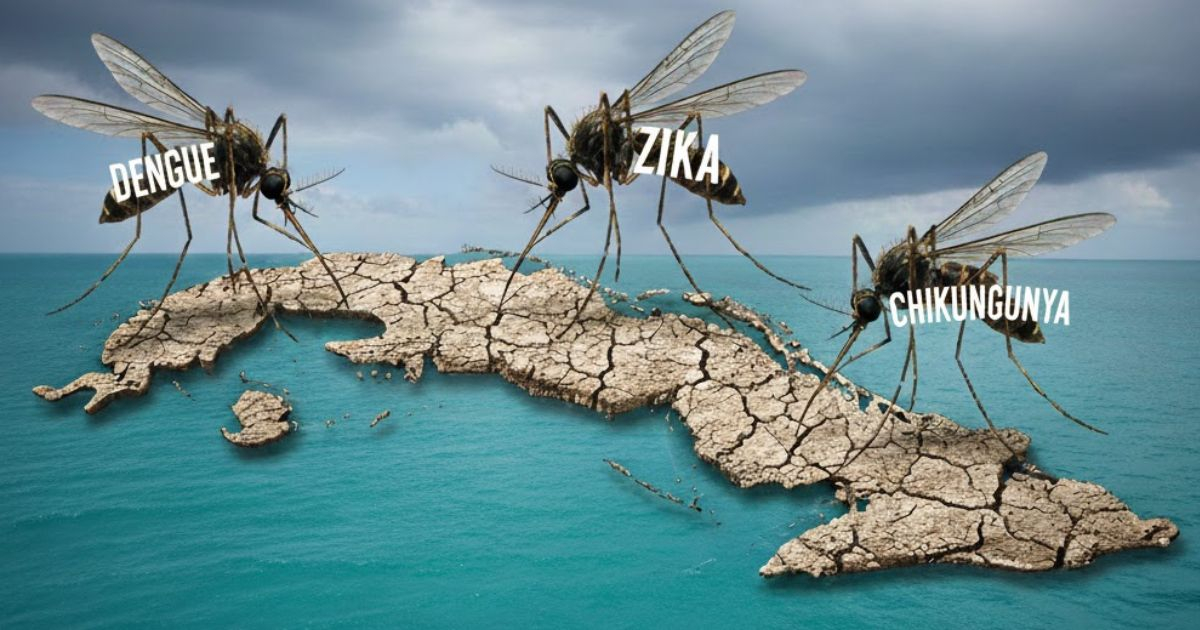
Dr. Leyva points out that the current scenario in Cuba is complicated by the presence of other viral infections such as dengue and zika, which coexist with chikungunya, heightening the risk of co-infection in individuals.
Understanding the Threat of Immune Overreaction
When the body faces multiple viral infections, either sequentially or simultaneously, the immune system may overreact, releasing a large number of inflammatory cytokines. This reaction, known as a "cytokine storm" or "immune storm," can lead to uncontrolled inflammation, tissue and organ damage, and, in severe cases, death.
The doctor stresses that relying solely on natural immunity is insufficient because RNA viruses mutate rapidly, potentially evading acquired defenses.
Prevention Measures are Crucial
Dr. Leyva insists that prevention, mosquito control, and epidemiological monitoring are vital to avoiding a more severe health crisis on the Island.
“Prevention is not about fear; it’s about understanding. And understanding is about taking care,” he wrote, urging Cuban authorities to adopt a long-term vision rather than reactive measures once outbreaks are underway.
His warning comes amid a backdrop of rising vector-borne diseases, insecticide shortages, and a deteriorating public health system in Cuba, where official reports often downplay the true extent of infections.
Scientific Basis for Concern
International experts have confirmed that immune storms are well-documented clinical phenomena, observed in severe cases of infections like COVID-19 and dengue, lending scientific credibility to Dr. Leyva García’s concerns.
In recent posts, the Cuban doctor highlighted the severity of chikungunya cases, illustrating the situation with a patient’s testimony who suffered severe symptoms for over a week.
This experience underscores the lack of timely medical attention and the scarcity of basic medications, exacerbating clinical conditions in a healthcare system that struggles to respond effectively.
Dr. Leyva has called for international health assistance, arguing that the current state of Cuba's health system is inadequate for managing a large-scale epidemiological crisis.
His analysis points to the collapse of the public system, the shortage of insecticides, and institutional weaknesses, necessitating a response that extends beyond national borders.
Earlier this year, he debunked the myth of Cuban medical prowess, highlighting structural deficiencies in the healthcare system, the exodus of professionals, and inadequacies in primary care.
He underscores the disconnect between official narratives and the reality faced by citizens in deteriorating and poorly equipped health centers.
FAQs on Immune Storms and Chikungunya in Cuba
What is an immune storm?
An immune storm, also known as a cytokine storm, is a severe immune reaction where the body releases an excessive amount of cytokines, leading to inflammation, tissue damage, and potentially death.
Why is chikungunya a concern in Cuba?
Chikungunya is concerning in Cuba due to its coexistence with other viral infections like dengue and zika, increasing the risk of co-infections and potential immune storms.
How can immune storms be prevented?
Preventing immune storms involves controlling mosquito populations, monitoring epidemiological trends, and ensuring timely medical interventions to manage viral infections effectively.