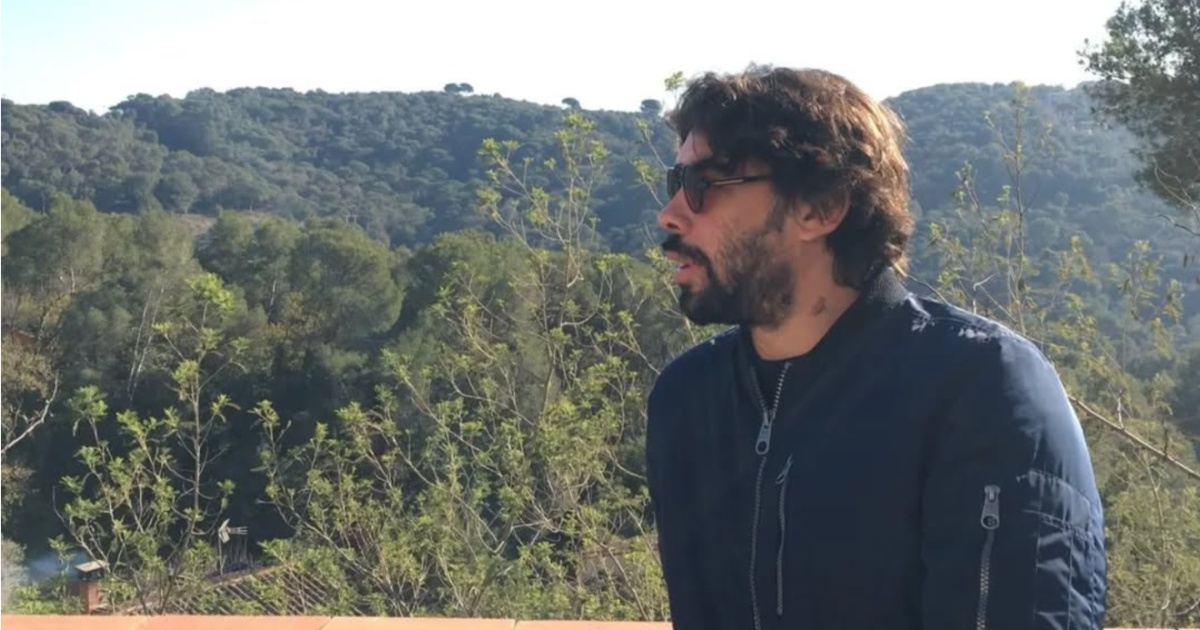
Cuban filmmaker Carlos Díaz Lechuga recently took to social media to deliver a scathing message about the dire state of Cuba, which he attributes to the current regime. He painted a bleak picture of a country in ruin, marred by failing basic services, societal decay, and severe poverty.
In his message, Díaz Lechuga described an "ailing" island with a "collapsed electrical system," "thousands of places without water," "zero hygiene," "nothing to eat," and prices that are "sky-high" compared to wages that are "laughable."
The filmmaker emphasized how everyday life has become unbearable due to the scarcity of resources, crumbling infrastructure, and an economy that he argues punishes its citizens. "The country is dollarized while people earn in pesos," he wrote, lamenting that "every Cuban family" is "broken, divided," and lacking in "real justice."
He further claimed that prisons are filled with individuals incarcerated "simply for thinking what is right to think," describing a "dignity erased" by the regime's grip on power.
Political Accountability and Familial Power
Díaz Lechuga's critique extended into the political realm, where he blamed "a family" that, according to him, "refuses to relinquish power," driven by greed. He vividly depicted how while "an entire nation" suffers devastation, the ruling elite indulges in luxury: "the Castro and Díaz-Canel families travel by private jet, buying high-end watches and shoes."
He concluded with a powerful metaphor, likening the enduring presence of the regime to an incessant wake: "Fidel died, and the wake drags on and on..."
Context of Public Discontent
Díaz Lechuga's outspoken stance comes amid increasing public pressure and debate on social media regarding the national crisis and the role of cultural figures in questioning the regime's priorities.
In a related controversy, actor Luis Alberto García became embroiled in a dispute when a user tried to undermine his critiques of political marches during power outages and shortages, arguing that he wasn't a "man of science or technology."
This incident reignited discussions about creators' rights to express their opinions and the societal cost of the ongoing crisis affecting the Cuban populace.
Recent posts by Díaz Lechuga, mourning the lack of empathy from authorities amid the health and energy crisis, have garnered hundreds of supportive comments but also criticism from government supporters.
Understanding Cuba's Current Crisis
What are the main issues facing Cuba according to Carlos Díaz Lechuga?
Díaz Lechuga highlights a range of problems including a collapsed electrical system, severe water shortages, a lack of hygiene, food scarcity, and soaring prices against meager wages.
How does Díaz Lechuga describe the political situation in Cuba?
He criticizes a ruling family that clings to power for financial gain, suggesting that their opulence contrasts starkly with the country's widespread poverty and suffering.
What sparked the recent debate involving Luis Alberto García?
García's criticism of political marches during a time of crisis was challenged by a user who dismissed his views due to his lack of scientific or technological background, sparking broader discussions about freedom of expression.