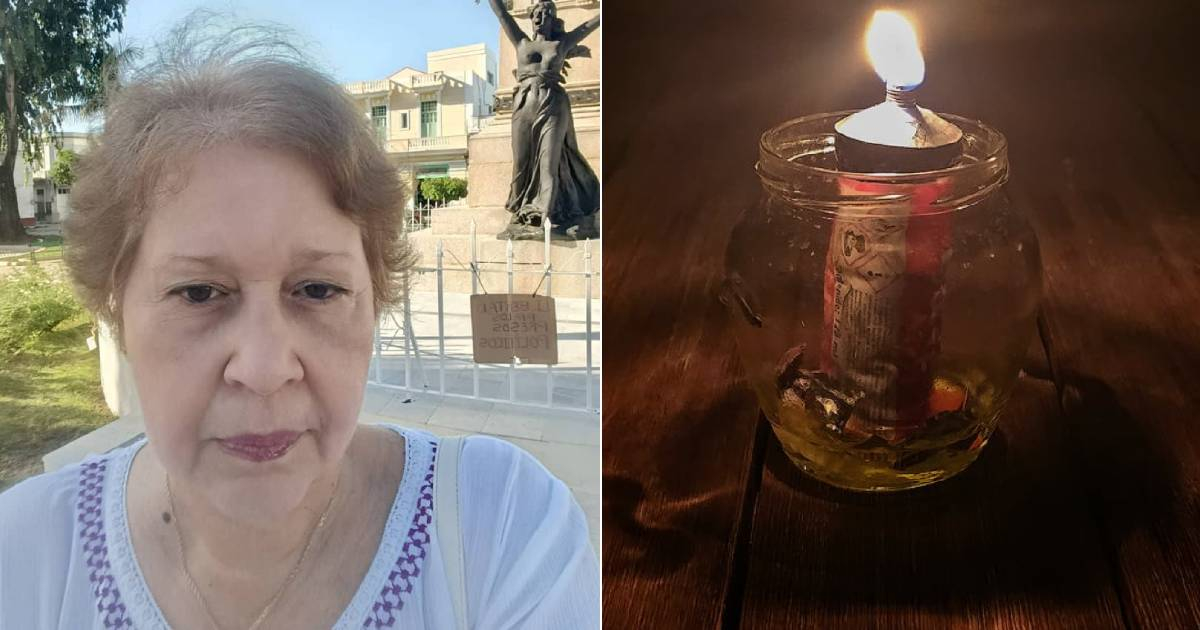
Alina Bárbara López, a Cuban scholar and activist, has brought attention to a dire situation in El Naranjal neighborhood of Matanzas, where a building with 40 apartments has been left without electricity or water for 17 days. This crisis disproportionately impacts the elderly, children, and vulnerable individuals, while authorities have yet to provide a solution or visit the area, according to López.
The severity of the situation was brought to light after López shared a social media post initially made by resident Lilian Borroto López. Borroto reported the ordeal faced by those living on 338th Street between 117 and 119, where a malfunctioning transformer has deprived many of essential services.
Amidst an epidemic, shortages, prolonged blackouts, and political injustice in the country, López usually refrains from highlighting everyday issues. However, she felt compelled to speak out this time, stating, "This is just too much."
Tomorrow marks 17 days without power, without water, without the ability to cook, with unwashed clothes piling up, and living conditions without basic hygiene standards, López noted.
“We are relying on the kindness of good neighbors. We have become nomads with our electric pots, rechargeable fans, and phones that we have to charge by crossing the street,” López expressed, emphasizing that the building houses elderly, children, and those recovering from the virus.
Institutional Neglect: A Community's Plea for Action
Borroto’s post, shared by López, detailed the community’s understanding that repairs might be delayed due to a lack of parts in the country. Yet, they hoped for a response and at least some institutional presence.
However, neither the local delegate nor government officials, nor representatives from the electrical sector have shown up despite promising an "urgent response."
“After 16 days, no one has come,” Borroto lamented. Residents had requested water trucks, some form of cooking fuel, and an assessment of the condition of elderly individuals living alone.
Community Efforts and Continued Struggle
On Friday, building residents visited the municipal government seeking answers. According to López, they were treated kindly but received no concrete response. Tomorrow, another delegation, this time including her, will return to the government offices, determined not to leave without a solution and a commitment from an official to visit the building and assess the emergency.
“We will not return without a resolution. Our patience has been immense,” the academic declared.
Unveiling a Broader Crisis
This incident not only highlights the collapse of public services in Cuba but also underscores the deterioration of institutional responses to fundamental issues affecting health and daily life. Access to electricity and potable water is not a luxury but a basic human right, particularly in a building housing vulnerable populations.
Meanwhile, the residents of El Naranjal continue to wait, surviving on mutual support and demanding the bare minimum: that the State fulfills its obligations.
Insights into the Matanzas Power and Water Crisis
What are the main issues faced by the residents of El Naranjal?
Residents of El Naranjal are dealing with a lack of electricity and water for 17 days due to a malfunctioning transformer, affecting their ability to cook, maintain hygiene, and charge essential devices.
How have authorities responded to the crisis in Matanzas?
Authorities have not yet provided a solution or visited the affected area, despite promises of an urgent response, leaving residents to rely on community solidarity.