The Municipal Assembly of People's Power in Santiago de Cuba issued a public apology this Wednesday after disseminating false information regarding the alleged deaths of two university employees from consuming a product illegally sold as "alum."
This misinformation, posted from the political group's official Facebook page, stirred alarm among residents of Santiago de Cuba, already reeling from the aftermath of Hurricane Melissa and widespread health issues.
In a corrective statement, the authorities acknowledged: "We apologize [...] for the recent unverified publication regarding the illegal sale of ‘alum’ and the alleged deaths of two university workers, which is NOT TRUE. The Institutional Communicator of the page is responsible for the post, having failed to adhere to the institution's editorial guidelines."
Unverified Claims and Public Panic
Earlier, the same official page claimed that two employees from the University of Santiago de Cuba had died after ingesting a product sold as "alum," which, according to the circulated version, was actually an industrial bleach stolen from Mar Verde warehouses, highly toxic in nature.
The post warned of supposed criminals selling this chemical as if it were aluminum potassium sulfate, a coagulant commonly used at home to clarify water, though its use does not replace proper disinfection.
This misleading alert spread quickly, instilling fear in a population already forced to seek desperate solutions to purify the dirty water reaching their homes after the cyclone's destruction.
Repercussions of Institutional Miscommunication
Although an apology was issued, the incident highlights several issues: the haphazard handling of official communication, the lack of verification, deteriorating sanitary controls, and the fragile water distribution system in Santiago de Cuba.
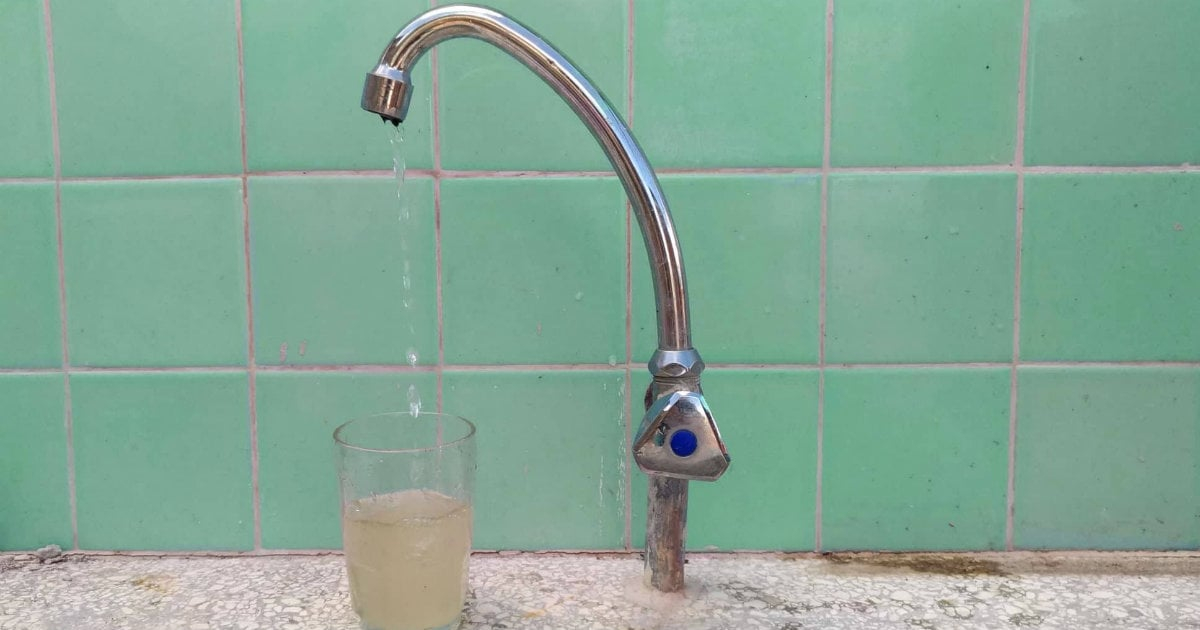
While authorities retract their statements, residents continue to struggle with water that is brown, sediment-filled, and lacking basic potability guarantees.
Survival Amidst a Water Crisis
With a scarcity of safe water treatment products, people resort to rudimentary methods: makeshift strainers made from cloth or gauze, outdated filters lacking replacement parts, boiling water when electricity is available (or using charcoal or wood if not), or consuming it directly, despite the risks.
The situation is particularly dire given that Hurricane Melissa severely damaged the water infrastructure, leading to an increase in gastrointestinal illnesses and reports of contaminated water in homes.
Government Disinformation During a Real Crisis
As the population desperately seeks clean water, the authorities released a false report, adding to the confusion and fear. The subsequent apology does not erase the fact that the government chose to blame anonymous wrongdoers instead of addressing the root cause: a collapsed system, lacking sanitary control, resources, and genuine solutions for the population.
This episode once again reveals the institutional opacity, lack of informational rigor, and disconnect between official rhetoric and the reality of a populace forced to filter its own water to survive.
Understanding the Impact of False Information in Crisis Situations
What was the false information spread by Santiago de Cuba's government?
The government falsely reported that two university workers had died after consuming a product sold as "alum," which was alleged to be an industrial bleach.
How did the public respond to the false news about "alum" deaths?
The false news generated panic among residents, who were already struggling with water purification issues following Hurricane Melissa.
What challenges are Santiago de Cuba residents facing with water supply?
Residents face challenges such as brown, sediment-filled water lacking basic potability, forcing them to use makeshift purification methods.