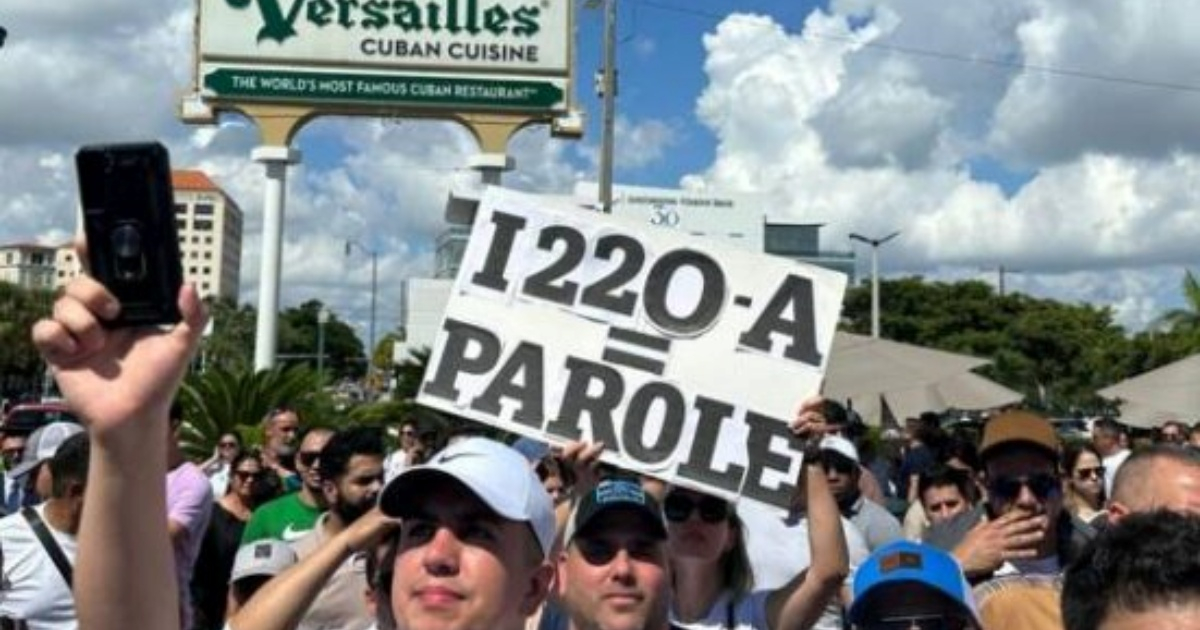
A recent court ruling from the Central District of California may bring good news to Cubans holding an I-220A in the United States, as it overturns the prohibition on bond hearings for detained immigrants.
In a conversation with journalist Mario J. Pentón, immigration attorney Ismael Labrador explained that Cubans with I-220A status who have been in the U.S. for several years stand to gain significantly from this decision.
These are the I-220A migrants whose cases have been dismissed in court or those detained at checkpoints or on the road. "These individuals will now have the opportunity to request a bond," the attorney confirmed.
Bond Hearing OpportunitiesLabrador further detailed that this opens the possibility for filing a bond request, provided that the judge grants them the right to bond. However, he emphasized that "you cannot be a danger to the community or pose a flight risk from the United States."
On Wednesday, a federal judge in California ordered the Department of Homeland Security (DHS) to reverse the policy enacted in July under the Trump Administration, which had banned bond hearings for detained immigrants.
Impact of the Judicial DecisionThis ruling could affect thousands of individuals currently held in immigration detention centers across the U.S. While it doesn't guarantee their immediate release, it does allow them to present their cases and potentially secure release on bond if they meet the necessary criteria.
Judge Sunshine S. Sykes of the Central District of California ruled that immigrants who were residing in the U.S. before being detained have a legal right to request a bond hearing, a practice that had been in place for many years.
Legal and Human Rights ImplicationsThe decision comes after a class-action lawsuit challenged the legality of the DHS's policy, which the court found violated due process rights. The Trump Administration's policy had removed the option for bond hearings for all detained immigrants, even those without criminal records or with strong ties to the community.
Civil rights organizations report that over 65,000 people are currently in immigration detention centers, most for administrative infractions such as overstaying visas, which is not considered a crime under U.S. law.
Understanding the Impact of the New Court Ruling on I-220A Holders
What is an I-220A?
An I-220A is a document issued to certain immigrants in the United States, indicating they are under supervision while their immigration case is pending.
How does the new court ruling affect I-220A holders?
The ruling allows I-220A holders to request a bond hearing, which could lead to their release from detention if they are not deemed a flight risk or a danger to the community.
What are the criteria for being granted a bond?
To be granted a bond, an individual must not pose a danger to the community or be considered a flight risk. The decision is at the discretion of a judge.
Will this ruling lead to immediate release for detained immigrants?
No, the ruling does not mean immediate release. It provides the chance to have a bond hearing where the individual must meet specific criteria to be released.