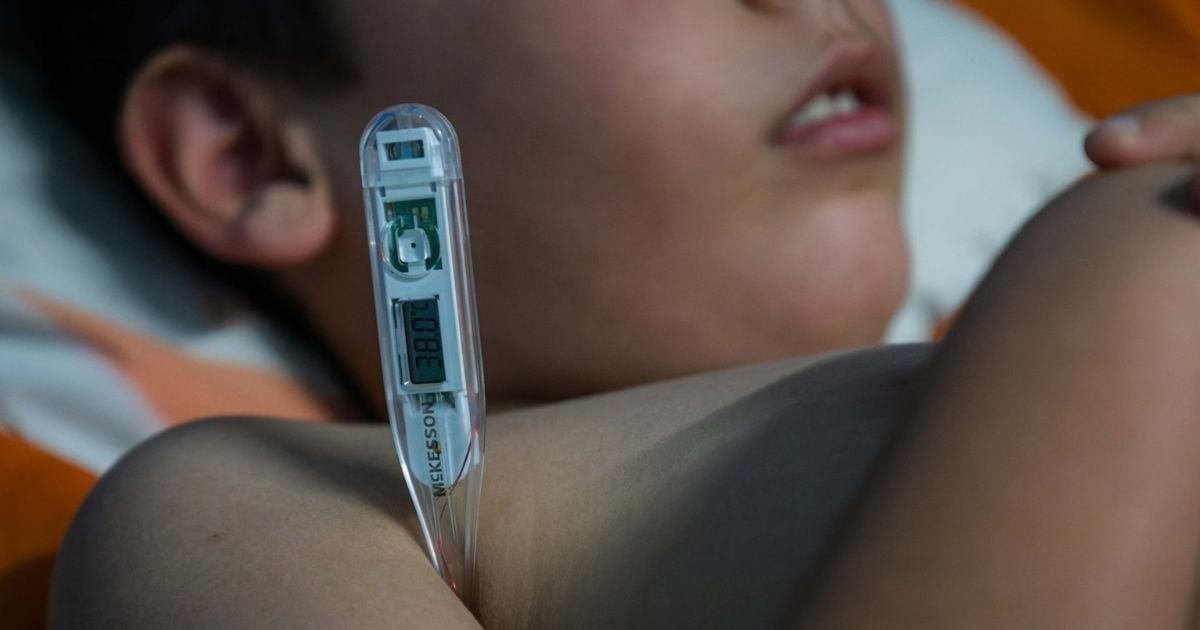
Health experts have raised alarms about the severe risks posed by the Chikungunya virus to newborns and expectant mothers amidst a surge in cases across Cuba.
The state-controlled newspaper Granma reported this on Wednesday, following a meeting convened by ruler Miguel Díaz-Canel with scientists and health officials to assess the disease's progression.
During the session, new clinical studies and recent evidence were presented, confirming the vertical transmission of the virus from mother to child during childbirth, which can lead to severe conditions in newborns.
Dr. Tania Roing Álvarez, head of the National Neonatology Group, highlighted that the disease not only causes fever but also poses neurological, respiratory, cardiovascular, and gastrointestinal risks, which are life-threatening for infants.
This warning comes as the regime acknowledges experiencing the peak of the chikungunya epidemic, a situation exacerbated by months of inactivity that allowed the outbreak to spread nationwide, initially starting in Matanzas.
Infectious disease pediatrician Dr. Ileana Álvarez Lam indicated that the Ministry of Health has developed a three-stage protocol for child care: symptom identification, early detection of warning signs, and a clinical algorithm for pediatric management.
Authorities have urged families to monitor for symptoms such as irritability, drowsiness, loss of appetite, or abdominal distension, which could signal serious complications.
Dr. Yagen Pomares, the national director of Primary Care, stated that preventive measures are being reinforced in maternity homes and communities with pregnant women and infants, along with daily monitoring of newborns.
Raúl Guinovart, an epidemiologist from the University of Havana, warned that mathematical models predict a peak in cases and a sustained increase in arboviruses, necessitating a strengthening of vector control measures, despite public complaints about the regime's inefficient response.
Díaz-Canel himself emphasized the need to “prioritize prevention and control with intelligence and effectiveness,” although the virus's resurgence once again exposes the fragility of the Cuban healthcare system in the face of recurring epidemic outbreaks.
The chikungunya outbreak in Cuba has reached alarming proportions, severely affecting children, pregnant women, and the elderly.
According to the Ministry of Public Health, the virus has been confirmed to impact children and the elderly more severely, leading to declarations that the country is experiencing one of its worst viral transmission phases in years.
Dr. Francisco Durán expressed this during a recent discussion on the epidemiological resurgence.
The situation has resulted in a significant increase in severe cases among minors. Pediatric hospitals currently report at least 63 children in critical condition due to virus-related complications, as per official data released by the Ministry.
The clinical picture in these patients includes persistent fever, neurological impairments, and severe dehydration, prompting a bolstering of intensive care capabilities in pediatric units.
General statistics are equally concerning: over 100 people remain in intensive care due to chikungunya and dengue, reflecting the collapse of a healthcare system lacking adequate resources and trained personnel across provinces.
The epidemic peak coincides with significant limitations in vector control and shortages of essential medications and supplies.
Meanwhile, independent media outlets have started reporting on child deaths linked to the virus. A journalist highlighted the death of at least four children from chikungunya in just one week in Havana, claiming authorities are concealing the true extent of the issue.
These deaths are reportedly associated with complications from the virus's vertical transmission and delayed medical attention.
Chikungunya Virus Impact and Response in Cuba
What are the main risks of Chikungunya for infants and pregnant women?
The Chikungunya virus poses severe risks including fever, neurological, respiratory, cardiovascular, and gastrointestinal complications, particularly when transmitted from mother to child during childbirth.
How is the Cuban healthcare system responding to the Chikungunya epidemic?
The Cuban Ministry of Health has implemented a three-stage protocol focusing on symptom identification, early detection of warning signs, and a clinical management algorithm for pediatric care. Preventive measures in maternity homes and community monitoring are also being reinforced.
What challenges is Cuba facing in controlling the Chikungunya outbreak?
Cuba faces significant challenges including inefficient vector control, shortages of essential medications and supplies, and a healthcare system under strain due to a lack of resources and trained personnel.