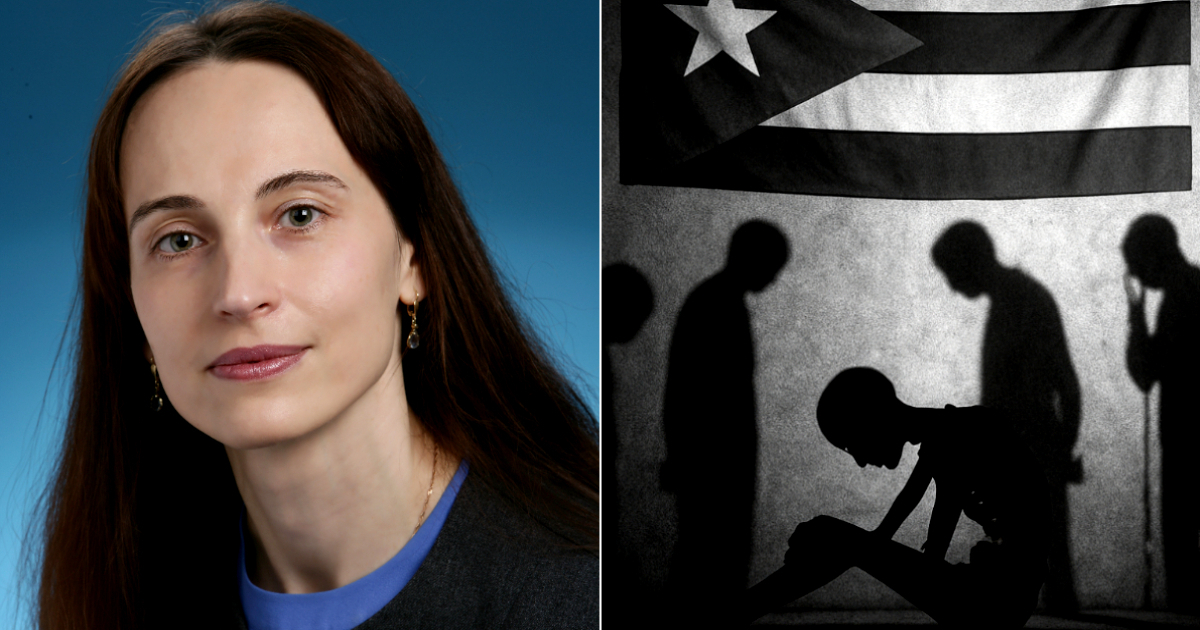
The Cuban Observatory for Human Rights (OCDH) has issued a response to UN Special Rapporteur Alena Douhan, asserting that Cuba's severe crisis is a direct result of the failed communist economic and political system, rather than U.S. sanctions.
This statement follows Douhan's 10-day visit to the island, during which she publicly urged Washington to lift the embargo.
The Public's Verdict: Sanctions or Governance?
In a letter addressed to Douhan, the OCDH highlighted compelling statistics from the 8th Study on the State of Social Rights in Cuba, released in September. The study reveals that merely 3% of Cubans blame the embargo for their hardships.
Moreover, the report indicates that disapproval of the government's economic and social management stands at a staggering 92%, with extreme poverty affecting 89% of the population.
The organization emphasizes that these figures reflect the Cuban people's sentiments, not external influences.
Misplaced Priorities: Hotels Over Healthcare
The OCDH questions the official narrative regarding the embargo, asking, "Why doesn’t the embargo hinder the construction of five-star hotels, but allegedly impacts the purchase of food and medical supplies?"
The organization claims that Cuba's healthcare system is collapsing not due to sanctions, but because the government prioritizes revenue generation and international propaganda.
Examples include the profitable export of medical services, which has been criticized for labor violations and reducing the availability of professionals in Cuba, and BioCubaFarma's focus on drug exports despite domestic shortages of basic products.
Restricted Access for Other UN Rapporteurs
The OCDH also reminded Douhan that the Cuban regime consistently blocks access to other UN rapporteurs related to freedom of expression, arbitrary detentions, extrajudicial executions, disappearances, and human rights defenders.
The organization urged that Douhan's report to be presented in September 2026 to the Human Rights Council should incorporate perspectives from democratic actors, both within and outside Cuba, and not solely the government's views.
Douhan Advocates Lifting the Embargo Amid Humanitarian Concerns
Before the OCDH's response, Douhan had made statements in Havana calling for the U.S. to lift the embargo. According to AFP, she stated, "I urge the United States to lift all unilateral coercive measures on Cuba… they have severe humanitarian consequences impacting the rights to life, food, health, and development."
Douhan described the embargo as the "longest-standing unilateral sanctions policy in history."
Her visit proceeded without "any impediment," as she engaged with authorities, businesses, religious leaders, diplomats, and civil society members.
The embargo has been particularly tightened by President Donald Trump and reinforced following his return to office in January, increasing the pressure on Cuba's economy.
A Central Debate in Cuba's National Crisis
The OCDH maintains that the current dire situation—the worst in 30 years—is due to an inefficient, monopolistic system lacking freedoms, while the Cuban government persists in claiming that external sanctions are the main hurdle.
Douhan's report will be presented in September to the UN Human Rights Council, but the OCDH's response anticipates a significant narrative clash over the root causes of the island's social catastrophe.
Frequently Asked Questions About Cuba's Crisis
What does the OCDH attribute Cuba's crisis to?
The OCDH attributes Cuba's crisis to the failure of the communist political and economic system, rather than to the U.S. embargo.
How did the Cuban population respond to the embargo according to the OCDH study?
According to the OCDH study, only 3% of Cubans blame the embargo for their problems, while a significant 92% disapprove of the government's handling of economic and social issues.
What does the OCDH say about Cuba's healthcare system?
The OCDH claims that the collapse of Cuba's healthcare system is due to the government's prioritization of revenue and international image over healthcare needs, not because of sanctions.