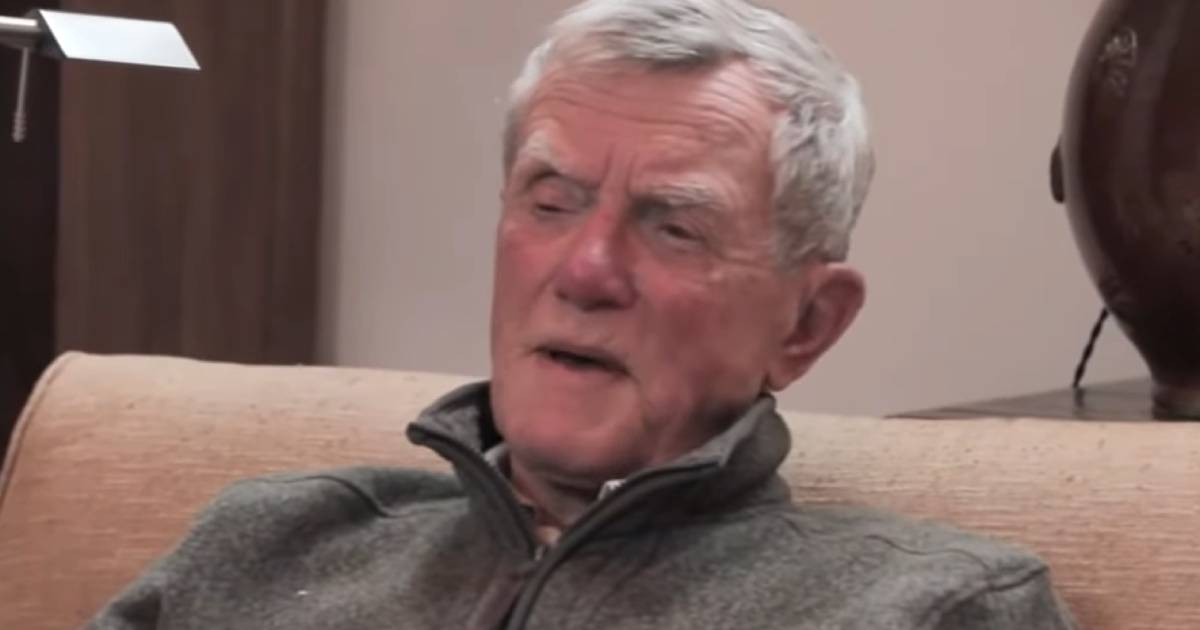
The life of American rancher Lawrence Kirby Lunt Jr. resembles a page from a gripping espionage novel, set amidst the turbulent landscape of post-1959 Cuba. As chronicled by the Cowboy State Daily, Lunt's journey intertwines idealism, Cold War tensions, bold decisions, and a lengthy captivity that left a profound impact on his entire family.
A veteran of both World War II and the Korean War, Lunt moved to a sprawling 2,000-acre ranch north of Havana in the 1950s, a property acquired with his Belgian wife's family. He led a relatively peaceful life raising cattle until the CIA came calling.
Lunt began working with the agency, enlisting informants, monitoring Soviet military activities, offering his ranch for covert operations, and assisting in capturing images of Russian missiles within Cuba.
However, the stakes turned deadly as Fidel Castro's regime solidified its grip on the island. In 1965, while attempting to travel to the United States for his parents' wedding anniversary, Cuban authorities detained him. Days later, State Security agents formally arrested him, launching a 14-year ordeal.
The New York Times highlighted his arrest in May 1965, amidst a crackdown on foreigners. By 1966, Lunt was sentenced to 30 years for espionage.
His family waged a relentless battle for his freedom. His father passed away without seeing his release. His brother, a doctor and rancher from Wyoming, turned Lunt's plight into a personal crusade, involving presidential memos, discreet negotiations, and an unsuccessful exchange for Puerto Rican militant Lolita Lebrón.
Lunt endured interrogations, sleep deprivation, hunger, beatings, and transfers between prisons. In a later interview, he described laboring in quarries, finding worms in his meals, and witnessing fellow inmates being shot for acts of solidarity.
Nevertheless, his spirit remained unbroken. "I have no regrets for what I did," he reflected years later. "My love for my country kept bitterness out of my heart."
His youngest son, Larry, was just three when his father was imprisoned. He recalled Cuban soldiers occupying their family ranch before his mother managed to flee to Belgium with the children, believing it would be "a year or so." It spanned nearly fifteen years.
Freedom finally came in 1979, facilitated by an exchange partly negotiated by Wyoming Governor Ed Herschler and executed during Jimmy Carter's presidency. Lunt was released alongside three Cuban political prisoners held in the U.S. "The Cubans saw us as bargaining chips to trade when convenient," he remarked at the time.
After his release, Lunt lived between Tucson, Belgium, and Saratoga, Wyoming. He authored a book about his ordeal, "Leave Me My Spirit," expressing a youthful view of espionage as an adventure, while acknowledging the harsh reality of paying for that "idealism" with nearly fifteen years of imprisonment.
In 1986, then-Congressman Dick Cheney advocated for federal compensation for his captivity. His family confirmed he eventually received approximately $250,000.
Lunt passed away in 2017 at the age of 92. To his son, he was an idealistic and proud man, committed to defending democracy. Yet, beyond the spy, he was a man who paid a hefty emotional price: missing his children's upbringing, family life, and nearly fifteen years in Fidel Castro's Cuba, where politics turned his ranch and American identity into an unforgivable threat.
Insights on Lawrence Kirby Lunt Jr.'s Cuban Ordeal
What led to Lawrence Lunt's imprisonment in Cuba?
Lunt was arrested by Cuban authorities in 1965 for espionage activities after collaborating with the CIA during the Cold War. He was sentenced to 30 years in prison.
How did Lunt's family respond to his imprisonment?
Lunt's family fought tirelessly for his release. His brother made it a personal mission, involving presidential memos and negotiations, although it took 14 years for Lunt to gain freedom.
What was the outcome of Lunt's release from Cuban captivity?
Lunt was released as part of a negotiated exchange in 1979 involving other political prisoners. He later received a federal compensation for his time in captivity.