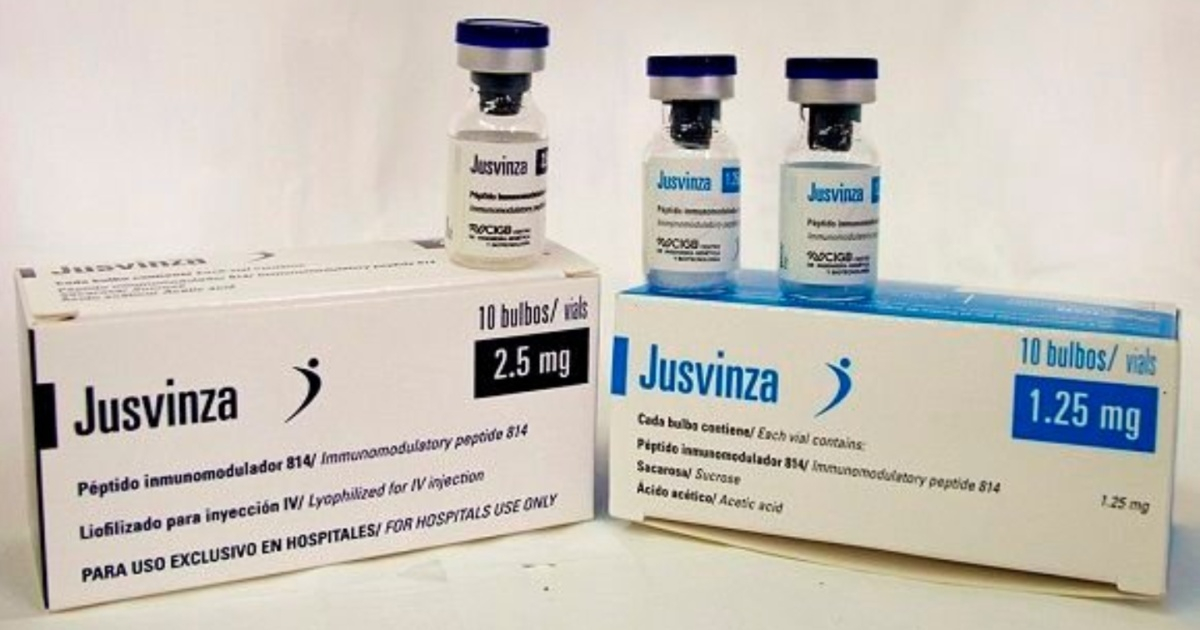
Cuban health authorities are embarking on a clinical trial using the Cuban drug *Jusvinza* to treat patients suffering from chronic aftereffects of arboviral infections, particularly chikungunya. This study will take place at the Comandante Faustino Pérez Hernández University Hospital in Matanzas.
This initiative aims to ease the symptoms of those affected amid a national outbreak, with over 31,000 suspected cases reported, according to the state-run Canal Caribe.
Every week, hundreds of individuals with arthritis, muscle pain, and severe mobility restrictions following chikungunya infection flock to the multidisciplinary clinic at the Matanzas hospital, as reported by the television network.
One patient, Antonio Gasmuri, featured in the Canal Caribe report, sought help due to intolerable muscle pain. Diagnosed with bursitis in the post-acute phase of the disease, he reported significant relief from pain and inflammation by the seventh day of treatment and regained much of his arm mobility.
Doctors at the Faustino Pérez Hospital describe a clinical scene where individuals struggle to walk, with swollen hands and ankles and knee osteoarthritis, all seeking relief from persistent pain.
An organized, tiered care system has been established to manage the influx of patients, beginning with family doctors, who form the backbone of Cuba’s healthcare model. Rehabilitation wards have been set up with multidisciplinary teams led by a physiatrist, a clinician, a family doctor trained for these cases, and a specialist in natural and traditional medicine.
These teams diagnose, prescribe treatment, and reassess patients a month after their initial visit.
The first cases of chikungunya in Matanzas were identified over three months ago in the Consejo Popular España Republicana, in the municipality of Perico. Since then, the infection has spread across all 13 municipalities in the province.
Experts highlight the disease’s "great polymorphism" of clinical manifestations, ranging from skin lesions and joint issues to general and neurological symptoms, necessitating expanded research and additional studies based on the experience gained in these consultations.
In this framework, the Matanzas hospital is preparing to soon launch a clinical trial involving *Jusvinza* with over 100 individuals who have been experiencing chronic pain and persistent arthritis for at least three months following chikungunya infection. This trial is not large-scale; its primary goal is to confirm the drug’s effectiveness and safety in treating these aftereffects.
*Jusvinza*, developed by the Center for Genetic Engineering and Biotechnology (CIGB), is indicated for treating severe and critical COVID-19 patients suspected or identified to be in a hyperinflammatory state. It is part of the base treatment for critically ill patients, often used alongside antivirals, antibiotics, treatments for comorbidities, thromboprophylaxis, or other necessary specific interventions.
Composed of an immunomodulating peptide, sucrose, and glacial acetic acid, *Jusvinza* is not recommended for pediatric use as it has not been tested in children.
Additionally, doctors at the Faustino Pérez Hospital are preparing six other studies — seven in total — aimed at improving patient care and quality of life for those affected by the virus in the province.
Chikungunya Epidemic Crisis in Cuba
The trial will be conducted amid a chikungunya epidemic acknowledged by the Ministry of Public Health, with 31,513 suspected cases confirmed by Dr. Francisco Durán García, national director of Epidemiology, during the television program Buenos Días.
The virus, spread by the Aedes aegypti mosquito, is currently present in 14 provinces, 99 municipalities, and 164 health areas, creating a "sustained epidemic behavior," according to the official.
In the latest report, 753 new suspected chikungunya cases and 847 dengue positives were noted, highlighting the simultaneous circulation of both viruses.
Dr. Durán noted that 5,713 patients are being monitored for suspected chikungunya, with 5,607 under home surveillance and the remainder in health facilities. Additionally, 95 individuals are in intensive care, with 77 in severe condition and 18 critically ill. Of these, 63 severe cases are children under 18, and 16 critically ill are minors, underscoring the epidemic’s impact on children.
FAQs on Chikungunya Vaccine Trial in Cuba
What is the aim of the Jusvinza clinical trial in Cuba?
The main goal of the Jusvinza clinical trial is to demonstrate the drug's effectiveness and safety in treating chronic pain and arthritis caused by chikungunya.
Where is the chikungunya trial taking place in Cuba?
The trial is being conducted at the Comandante Faustino Pérez Hernández University Hospital in Matanzas, Cuba.
How is Jusvinza used in medical treatments?
Jusvinza is used as part of the treatment for severe and critical COVID-19 patients suspected of hyperinflammation, often in conjunction with other medical interventions.