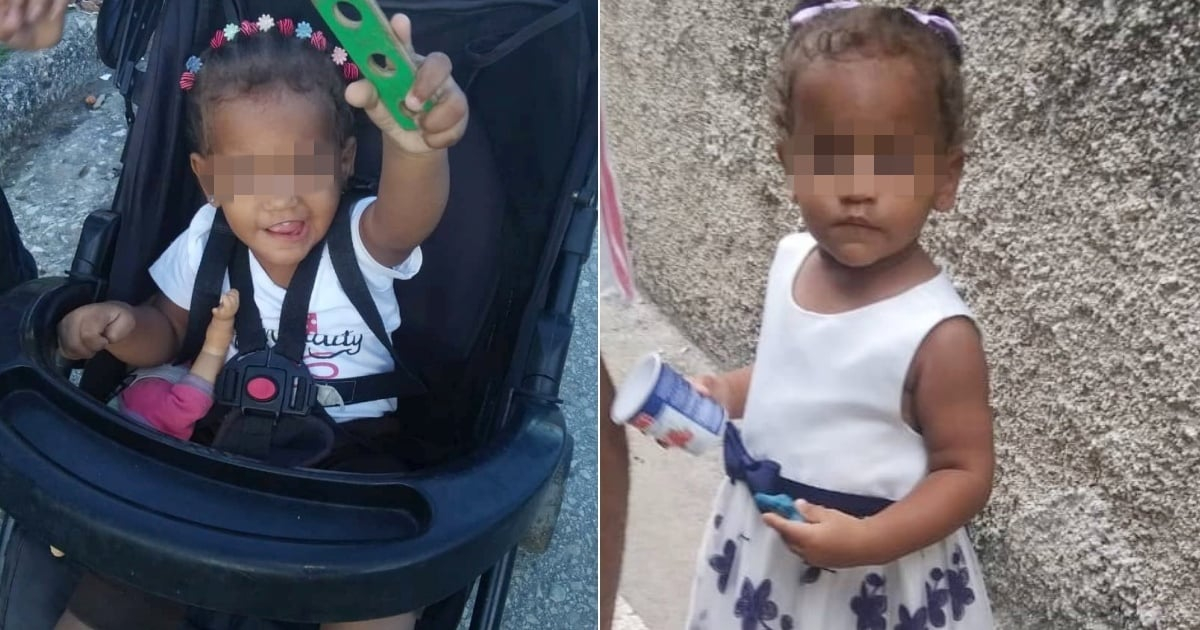
Francisco Ricardo Sagaró Rosales, an intensive care physician and member of Cuba's National Assembly, has come forward to defend the "Juan de la Cruz Martínez Maceira" North Children's Hospital in Santiago de Cuba. This comes after a public uproar over alleged medical negligence in the tragic case of Sheila Sinai Escobar Puente, a one-year-old girl whose family blames hospital staff for her critical health deterioration.
In a social media post, Sagaró Rosales praised the pediatric hospital staff, commonly known as ONDI, for their unwavering dedication to patients. He cautioned against using this incident to "fuel hatred" towards the healthcare institutions or professionals involved.
Highlighting the Dedication of Medical Professionals
"Within the field of Medicine, I've always held Oncology, Pediatrics, and Hematology in high regard for the immense sacrifice they require. Despite the current challenges posed by the epidemiological situation, our staff are wholeheartedly committed to their patients," he expressed.
Sagaró Rosales, who works at the "Dr. Juan Bruno Zayas Alfonso" Clinical-Surgical Hospital, criticized individuals "lacking comprehensive knowledge or scientific expertise" for tarnishing the hospital's reputation on social media.
Specifically, he defended the "Juan de la Cruz Martínez Maceira" North Children's Hospital, describing it as "a longstanding example of sacrifice and dedication by its personnel." He recalled how intensivists worked tirelessly during the COVID-19 pandemic and continue to do so today.
The Tragedy of Sheila Sinai Escobar Puente
The medical deputy's statements follow a public accusation by Sheila's family on Facebook, alleging medical negligence at the same hospital where the young girl was admitted and later became critically ill.
According to her uncle, Richard Puente Barreiro, Sheila was taken to the hospital on November 17, 2025, with symptoms of fever, vomiting, and diarrhea. The family claims the on-duty doctor administered a 30% dextrose solution and sent her home despite mild dehydration.
Minutes later, Sheila started seizing, developed a high fever, and had to be urgently transferred to intensive care, where doctors diagnosed her with diabetic ketoacidosis. She presented with type 1 diabetes, a blood glucose level of 34 mmol/L, a pH of 6, tachycardia, and persistent seizures.
Sheila was intubated and in critical condition, suffering from multi-organ failure, brain, liver, kidney, and heart damage, with reports of a "10-minute cardiac arrest."
Family’s Plea for Accountability
The family attributes the crisis to the "negligent administration of 30% dextrose," claiming it triggered the severe metabolic reaction that worsened Sheila's condition. They have filed a formal complaint with the hospital administration and demanded severe penalties for those responsible.
In his complaint, Puente Barreiro accused the medical team of attempting to justify the harm by blaming "a virus," whereas the family insists the inappropriate use of the IV solution was the clear cause of the tragedy. "We urge the medical community, health authorities, and Cuban society to ensure this case does not go unpunished," he stated.
Although Sagaró Rosales did not mention Sheila by name or evaluate the technical details of the case, his remarks are seen as a direct response to the public outrage sparked by the allegations.
Widespread Allegations of Medical Negligence in Cuba
The incident occurs amidst a backdrop of mounting reports of alleged medical negligence across various Cuban provinces. In Camagüey, a mother and her newborn died at the Ana Betancourt Maternity Hospital due to alleged delays and inadequate responses to evident complications.
In Matanzas, a mother reported the complete lack of resources, doctors, and reagents needed for her child's treatment, highlighting systemic deficiencies in the healthcare system. Additionally, doctors have publicly shared ethical dilemmas faced due to resource shortages and administrative decisions.
The recurring themes of diagnostic delays, neglect, and lack of supplies reinforce the perception of a collapsing healthcare system, transcending individual errors.
Between the staunch defense of Santiago de Cuba's children's hospital by the medical deputy and Sheila's family's call for justice, a significant gap is revealed between institutional narratives and patient experiences.
While health authorities emphasize the staff's sacrifice and urge against tarnishing medical work without full knowledge, affected families demand accountability, transparency in investigations, and assurances that such tragedies will not recur.
Frequently Asked Questions on Medical Negligence in Cuba
What were the symptoms that led to Sheila Sinai Escobar Puente's hospitalization?
Sheila was taken to the hospital with symptoms of fever, vomiting, and diarrhea. Despite these symptoms and mild dehydration, she was initially sent home with a 30% dextrose solution.
What is the family's claim regarding the cause of Sheila's critical condition?
The family claims that the administration of a 30% dextrose solution caused a severe metabolic crisis, leading to Sheila's critical condition and subsequent multi-organ failure.
How have other regions in Cuba been affected by medical negligence?
Reports from Camagüey and Matanzas highlight issues such as delayed diagnoses, lack of resources, and inadequate responses to medical emergencies, suggesting systemic healthcare deficiencies across the country.