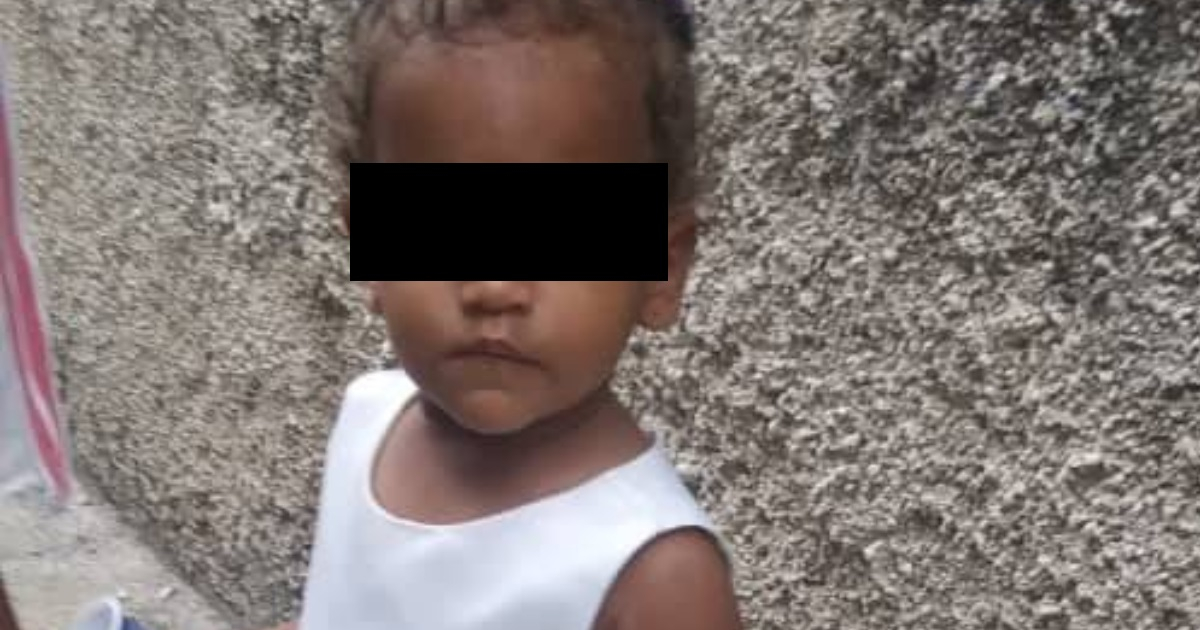
A family in Santiago de Cuba has taken to social media to allege medical negligence at the Juan de la Cruz Martínez Maceira Pediatric Hospital, commonly referred to as the ONDI. Their one-year-old daughter is currently in critical condition.
Richard Puente Barreiro brought the situation to light through a public Facebook post about his niece, Sheila Sinai Escobar Puente. The child, only fourteen months old, was hospitalized following what the family claims was medical malpractice at the pediatric facility in Santiago de Cuba.
The family reports that the child was admitted on November 17, 2025, with symptoms of fever, vomiting, and diarrhea. Despite her mild dehydration, the attending doctor allegedly administered a 30% dextrose IV and sent her home.
Shortly thereafter, the young girl began convulsing, developed a high fever, and was rushed to intensive care. There, doctors diagnosed her with diabetic ketoacidosis.
Sheila has been diagnosed with type 1 diabetes, presenting with a blood sugar level of 34 mmol/L, a pH of 6, tachycardia, and continuous seizures. Currently, she is intubated and in critical condition, suffering from multiple organ failure and damage to her brain, liver, kidneys, and heart. Alarmingly, she also endured a ten-minute cardiac arrest, according to the family’s allegations.
The family holds the medical staff accountable for what they describe as the "negligent administration of 30% dextrose," claiming it triggered the metabolic crisis and worsened Sheila's condition. They have filed a formal complaint with the hospital administration, demanding strict penalties for those responsible.
Puente further stated that the doctors are now trying to justify the damage by blaming a virus, although the family insists the improper use of the IV solution was the catalyst for this tragic event.
“We urge the medical community, health authorities, and Cuban society not to let this case go unpunished. Sheila deserves justice. Her family deserves answers. And other children deserve responsible care,” the public post concludes.
This incident is not unique. Similar claims have emerged from various provinces, including a case in Camagüey where a mother and her newborn died following alleged medical negligence at the Ana Betancourt Maternity Hospital. Relatives reported delays in diagnosing and addressing clear complications.
Other recent accounts highlight the systemic collapse of the healthcare system. A mother in Matanzas reported a total lack of resources, medical staff, and reagents necessary to treat her child, underscoring the structural deficiencies many families face when seeking timely medical care.
The situation has even prompted some healthcare professionals to publicly express their ethical dilemmas. A Cuban doctor in Holguín confessed to compromising his principles due to resource shortages and enforced administrative decisions, illustrating an institutional crisis beyond individual errors.
Another tragic event stirred public opinion when a young woman lost her baby in a Camagüey hospital after reporting that she was not attended to in a timely manner.
The recurring pattern of delays, improper diagnoses, and medical neglect in these stories raises serious questions about the healthcare system's ability to provide basic medical services.
Understanding Medical Negligence in Cuba
What initiated the family's complaint in Santiago de Cuba?
The complaint was initiated after the family's one-year-old girl was given a 30% dextrose IV at a pediatric hospital, which they allege led to her critical health condition.
What is diabetic ketoacidosis?
Diabetic ketoacidosis is a serious diabetes complication where the body produces excess blood acids (ketones), often due to insulin deficiency, and can be life-threatening if not treated promptly.
Have similar negligence cases been reported elsewhere in Cuba?
Yes, similar cases have been reported in other provinces, such as Camagüey and Matanzas, highlighting systemic issues in the Cuban healthcare system.
What are the broader implications of these medical negligence cases?
These cases expose serious deficiencies in Cuba's healthcare system, raising questions about its ability to deliver basic medical care and prompting ethical concerns among healthcare professionals.