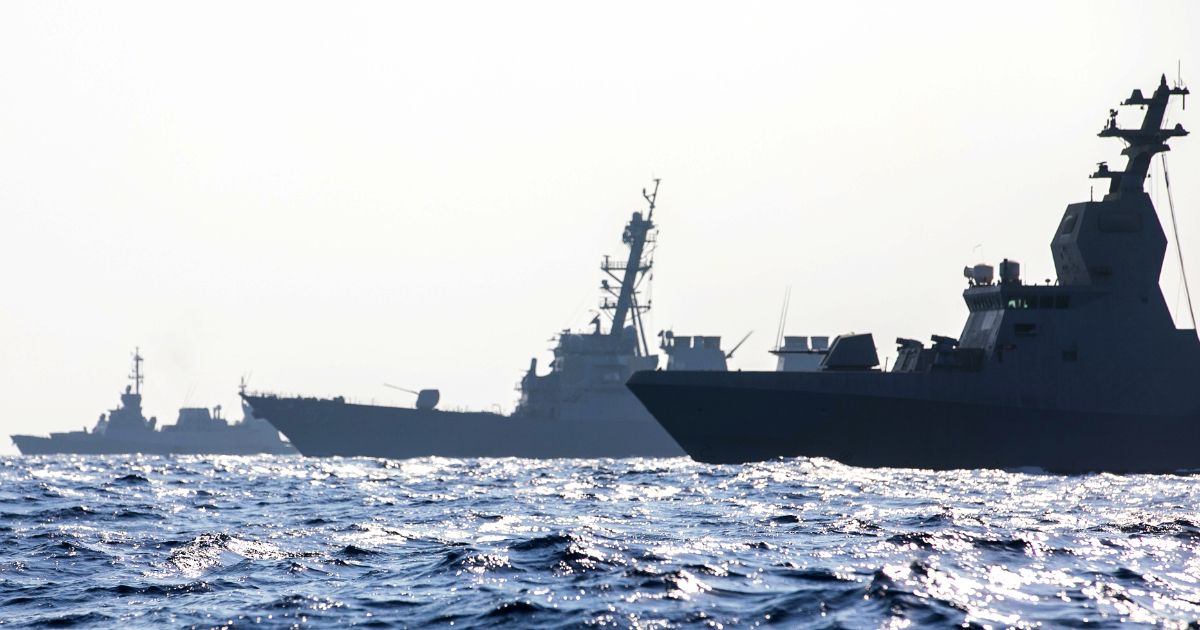
The United States' military presence in the Caribbean has evolved from a solitary maneuver to a multinational operation, now enjoying explicit or tacit backing from several Latin American governments, as reported in a detailed CNN analysis.
Washington describes these military exercises as part of its anti-narcotics campaign, yet they occur amid escalating tensions with the regime of Nicolás Maduro. The Trump administration accuses Maduro of spearheading a network of drug trafficking and terrorism across the region.
Among the most steadfast allies of Washington is Trinidad and Tobago. Prime Minister Kamla Persad-Bissessar openly endorsed U.S. naval operations, asserting she would authorize American forces' entry into Trinidadian territory should Venezuela launch an attack on Guyana.
Joint exercises, spearheaded by the destroyer USS Gravely, have been labeled by Caracas as a "hostile provocation." In response, Maduro has halted energy agreements with the Caribbean nation.
In Guyana, territorial disputes with Venezuela have accelerated collaboration with the United States. The Guyanese government supported the military deployment, labeling the Cartel of the Suns as a regional peace threat. The recent visit by Admiral Alvin Holsey, head of the Southern Command, has reinforced the defense partnership between Georgetown and Washington.
El Salvador, led by Nayib Bukele, has also joined the scene, with a U.S. AC-130J attack aircraft stationed at the Comalapa base, indicating the Central American nation's strategic role in aerial operations.
In Panama, President José Raúl Mulino's administration maintains a low profile while allowing joint training under bilateral agreements. Meanwhile, the Dominican Republic cooperates in anti-drug operations under "Operation Southern Spear," working alongside the DEA.
Simultaneously, Ecuador, Paraguay, and Argentina have politically supported the initiative by declaring the Cartel of the Suns an international terrorist organization. The regional landscape is rapidly evolving: Washington is solidifying its alliances, while Maduro, increasingly isolated, faces an unprecedented diplomatic and military offensive in the hemisphere.
Key Questions About U.S. Military Presence in the Caribbean
Why is the U.S. increasing its military presence in the Caribbean?
The United States has intensified its military activities in the Caribbean as part of its anti-narcotics operations and in response to tensions with Nicolás Maduro's regime, which is accused of drug trafficking and terrorism.
Which countries are supporting the U.S. military operations?
Countries such as Trinidad and Tobago, Guyana, El Salvador, Panama, and the Dominican Republic are supporting U.S. military operations, either explicitly or through strategic cooperation.
How has Venezuela reacted to the U.S. military activities?
Venezuela, under Nicolás Maduro, has condemned the U.S. military activities as hostile provocations and has suspended energy agreements with Trinidad and Tobago in response.