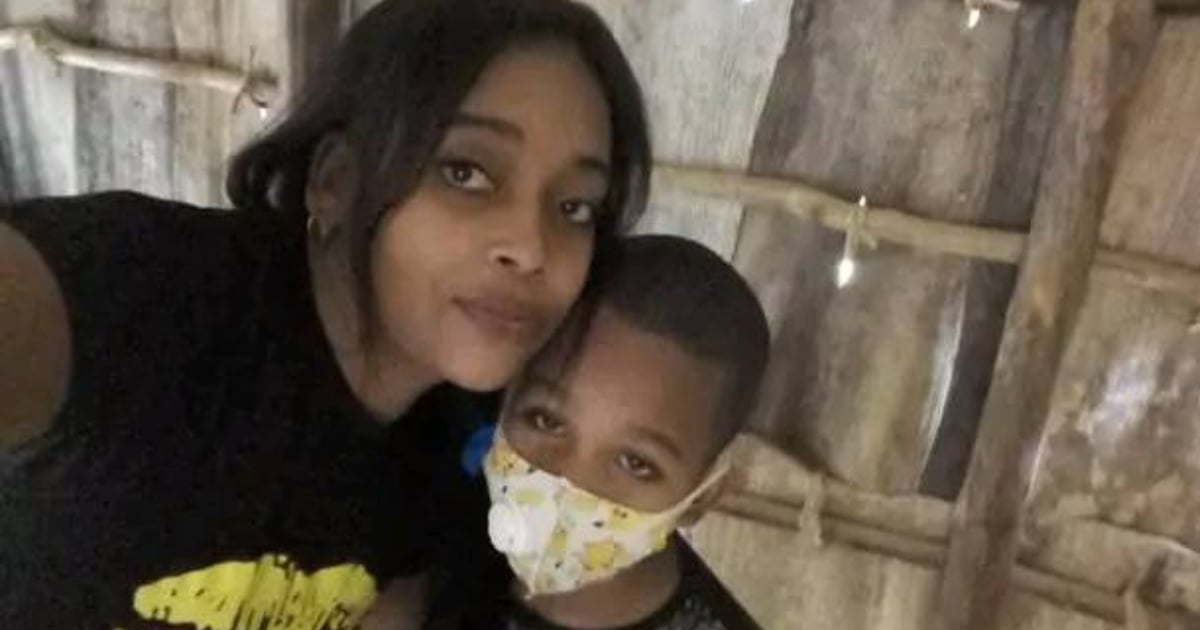
The anguished outcry of a Cuban mother has brought personal stories to the forefront of Cuba's ongoing healthcare crisis. Reyna Rosales, a resident of Bayamo, faced a parent's worst fear this past weekend as her 12-year-old son experienced seizures in a medical facility that lacked oxygen, IV fluids, and timely medical intervention.
"My child nearly died yesterday… There was no oxygen, there was nothing," she wrote on Facebook, encapsulating the dire situation that countless families are confronting amidst the viral outbreak sweeping the island.
Her son, Arian Jesús, arrived at the March 13th Polyclinic with a high fever of 39 degrees Celsius, delusional, and unable to receive dipyrone due to an adverse reaction. With no alternatives available, not even IV fluids, Reyna was forced to leave in search of help as her son's condition worsened. Upon returning, she found him seizing, his lips turning blue. The clinic had no oxygen to stabilize him, and no emergency transport vehicle was available.
This harrowing experience is not an isolated incident but rather a stark portrayal of a healthcare system in collapse.
Widespread Crisis in Cuban Healthcare
The feminist observatory Alas Tensas amplified Reyna’s outcry, highlighting that it is one of many accounts from parents and doctors describing overwhelmed emergency rooms across the island. "Where is the supposed first-class public health?" Reyna questioned, her message full of frustration and disbelief.
Independent journalist Ernesto Morales, who maintains direct contact with Bayamo residents, confirmed the dire circumstances on social media, stating, "This is hell. The Children's Hospital is overwhelmed, the Céspedes Hospital is overwhelmed, the polyclinics are inaccessible. We are dying in these filthy hallways, and no one is doing anything."
His words are not mere hyperbole. Images from hospitals in Granma depict improvised stretchers, patients lying on the floor, corroded furniture, desperate families, and equipment without assurances.
A System in Decline
Doctors and activists describe the conditions as akin to a "war zone" in the year 2025. Meanwhile, authorities insist that "no patient is left unattended."
Cuba is currently grappling with a perfect storm of dengue, chikungunya, Oropouche fever, and other viruses circulating simultaneously, all while its healthcare network lacks essential medications, a stable water supply, necessary reagents, and basic supplies for pediatric emergencies. The Ministry of Public Health (MINSAP) admitted earlier this year that medication availability is only around 30%.
In this context, Reyna's account is not just about a child on the brink of death; it is a snapshot of the daily fears faced by thousands of families who have lost faith in healthcare institutions' ability to save their children.
It also paints a picture of a nation where the once-touted "medical power" is crumbling as infections spread, hospitals deteriorate, and the government refuses to acknowledge the systemic collapse.
Understanding Cuba's Healthcare Struggles
What led to the current healthcare crisis in Cuba?
Cuba's healthcare crisis is the result of a combination of factors including a lack of medical supplies, insufficient funding, and systemic inefficiencies exacerbated by multiple viral outbreaks.
How are Cuban families affected by the healthcare system's collapse?
Families are facing life-threatening situations without access to basic medical care, leading to deteriorating health conditions and increased mortality rates among patients, especially children.