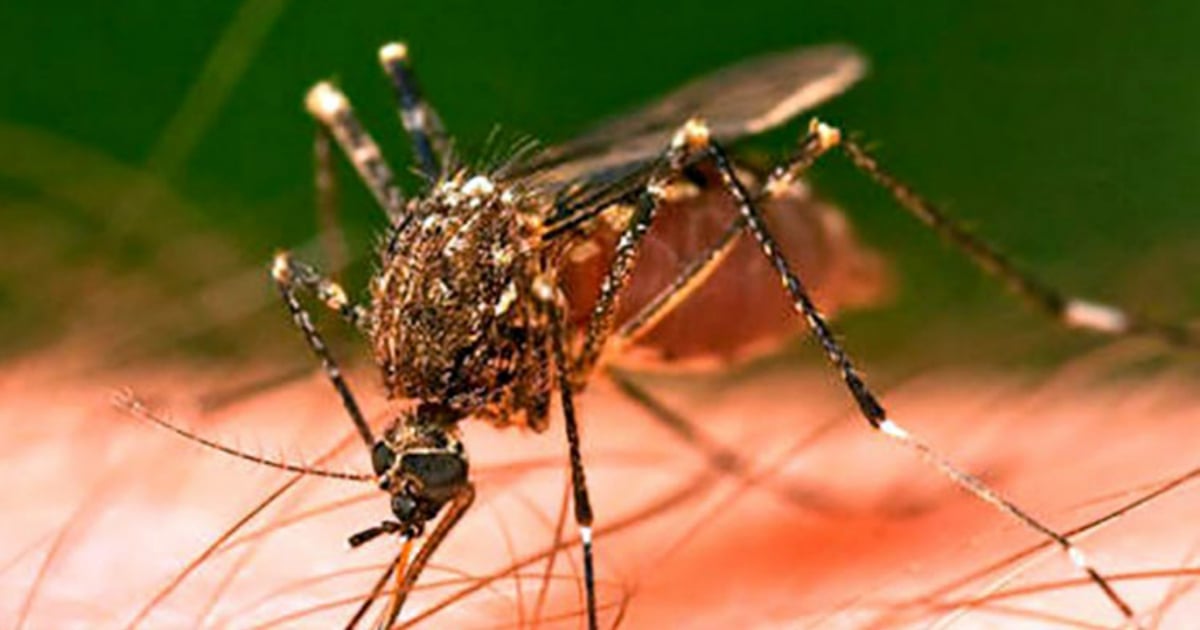
The Cuban government has announced a new initiative to produce natural repellents in the Granma province as a response to the escalating health crisis caused by rising cases of dengue, chikungunya, and other arboviral diseases in the nation.
According to the state-run newspaper Granma, the Pharmaceutical Laboratory for Oral Liquids (Medilip), collaborating with the Provincial Pharmaceutical Company, has started producing a repellent made from neem and lemongrass extracts. Approximately 1,500 liters have already been bottled.
Roider Elías Carasaña, the Operations Manager at Medilip, mentioned that they plan to produce larger two-liter versions and smaller bottles of 120 and 250 milliliters to meet the needs of the provinces of Holguín, Santiago de Cuba, and Havana.
Local authorities have stated that these repellents and disinfectants will be distributed through pharmacies and state-run stores in Bayamo, as well as within the commercial networks of Holguín, Santiago de Cuba, and Havana, depending on the availability of supplies.
However, the report does not specify if other companies in Cuba will manufacture this type of repellent for other provinces, leaving uncertainty about how other affected regions will be addressed.
The Granma article notes that the product is registered in the National Formulary of Drugs and Apipharmaceuticals and is recommended for topical use every three to four hours for children over the age of three.
The natural extracts are sourced from Farma Habana and local producers in Guisa and Bayamo.
Authorities claim that the production process adheres to "good manufacturing practices," although they acknowledge that resources are extremely limited, with some bottles and caps sourced from recycled materials or acquired through private transactions.
Carasaña pointed out that the company had to partner with a self-employed worker in Holguín to obtain caps for the new batch, due to shortcomings in the official supply mechanism of Farmacuba, its state importer.
Concurrently, Medilip has produced around 80,000 bottles of 1% sodium hypochlorite, also packaged in recycled containers, to help curb the spread of disease-carrying mosquitoes.
Although this solution does not cure infections, it is utilized as a disinfectant for water storage and high-risk areas.
The project, according to the official, has been made possible by the "dedication of the workers" despite the limited resources and funding available.
Nonetheless, the constrained production capabilities and reliance on recycled materials underscore the severe deficiencies of Cuba's pharmaceutical system amidst the ongoing health and economic crisis.
Key Questions About Cuba's Natural Repellent Initiative
What ingredients are used in Cuba's new natural repellent?
The repellent is made from neem and lemongrass extracts, which are natural substances known for their insect-repelling properties.
How will the natural repellent be distributed in Cuba?
The repellents will be distributed through pharmacies and state-run points of sale in Bayamo, as well as commercial networks in Holguín, Santiago de Cuba, and Havana, based on supply availability.
Are there plans to produce this repellent in other provinces of Cuba?
The current announcement does not clarify if other companies will manufacture the repellent for distribution in other provinces, leaving uncertainty about coverage in other affected areas.