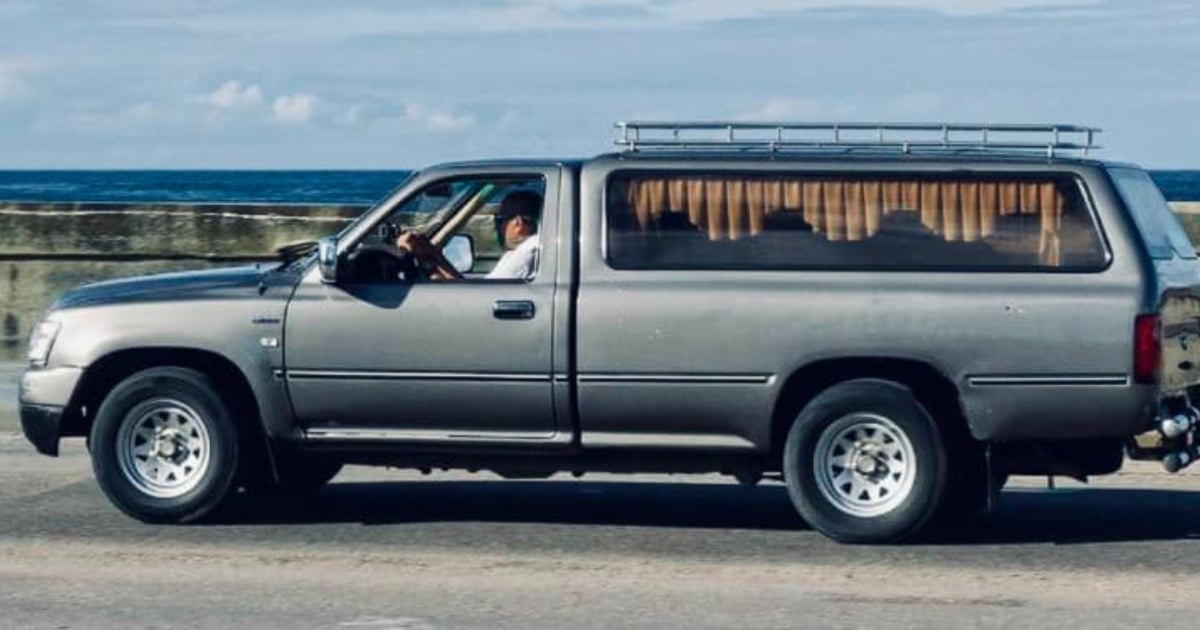
Amid ongoing "accumulated issues" in the Cuban capital, the Cuban government has vowed to refurbish crematoriums and funeral homes in Havana. This promise was made during a meeting led by Miguel Díaz-Canel along with the city's top officials, where the breakdown of various services, including Necrological Services, was discussed.
During the gathering, plans were outlined for the repair of equipment at the crematoriums in Santiago de las Vegas and Guanabacoa. The crematoriums in Berroa are reported to be operational, and efforts are underway to repair 22 out of 24 funeral homes in the capital, as well as cleaning and sanitizing 16 municipal cemeteries.
Presided over by Díaz-Canel, the meeting was aimed at "monitoring efforts to address the accumulated problems in the city." It was attended by Prime Minister Manuel Marrero Cruz, the Organization Secretary of the Central Committee Roberto Morales Ojeda, Vice President Salvador Valdés Mesa, ministers, and other Party leaders.
Focusing on Necrological Services, authorities reported progress in the refurbishment of equipment at the Santiago de las Vegas and Guanabacoa crematoriums, while operations at the Berroa facilities continue.
Simultaneously, repairs are being conducted at nearly all city funeral homes, accompanied by sanitation efforts in municipal cemeteries. These measures are part of a broader plan to restore a service that has been under intense pressure due to longstanding deterioration.
The overall assessment of the capital's condition also included the status of solid waste collection, a problem that significantly impacts public health and the cemetery conditions themselves.
In the past week, 93,043 liters of fuel were used to transport 96,500 cubic meters of waste. This effort reportedly reduced the consumption rate from 1.05 to 0.96 liters per cubic meter.
Additionally, the establishment of 77 sweeping brigades comprising approximately 600 workers was announced, prioritizing main avenues, plazas, and the busiest areas across the 15 municipalities.
Challenges in Funeral and Crematorium Services
Specific to funeral and crematorium services, authorities highlighted the refurbishment of equipment, funeral homes, and cemeteries as a direct response to the backlog of deficiencies and the urgent need to provide this sensitive service to the population. This comes as part of an effort to address multiple structural failures acknowledged in the daily functioning of the city.
The crisis in Cuba's funeral services is emblematic of the general decline in public services. It manifests in non-operational or malfunctioning crematoriums, poorly maintained funeral homes, a lack of operational resources, and deteriorating cemeteries.
This situation compels the government to repeatedly announce "renovations" that fail to address the root problem.
The condition of crematoriums is particularly dire, with operational outages leading to delays of days in cremating bodies, accumulation of corpses, and reliance on outdated facilities.
Many funeral homes remain unattended despite the system's collapse, and the reported repairs are often partial and not always effective.
The scarcity of resources affects body refrigeration, urn supply, funeral transport, and the sanitation of facilities.
Moreover, cemeteries have recently come under scrutiny for their deteriorating conditions, plagued by garbage, overgrown vegetation, and damaged structures.
Frequently Asked Questions About Cuba's Funeral Service Crisis
What has the Cuban government promised regarding crematoriums in Havana?
The Cuban government has pledged to refurbish crematoriums and funeral homes in Havana, aiming to address the breakdown of necrological services.
What is the current state of crematoriums in Cuba?
Crematoriums in Cuba are in critical condition, with many non-operational, leading to delays in cremation services and reliance on outdated facilities.
How are funeral homes and cemeteries being affected by resource scarcity?
The scarcity of resources impacts the refrigeration of bodies, provision of urns, funeral transportation, and sanitation of facilities, alongside deteriorating cemetery conditions.