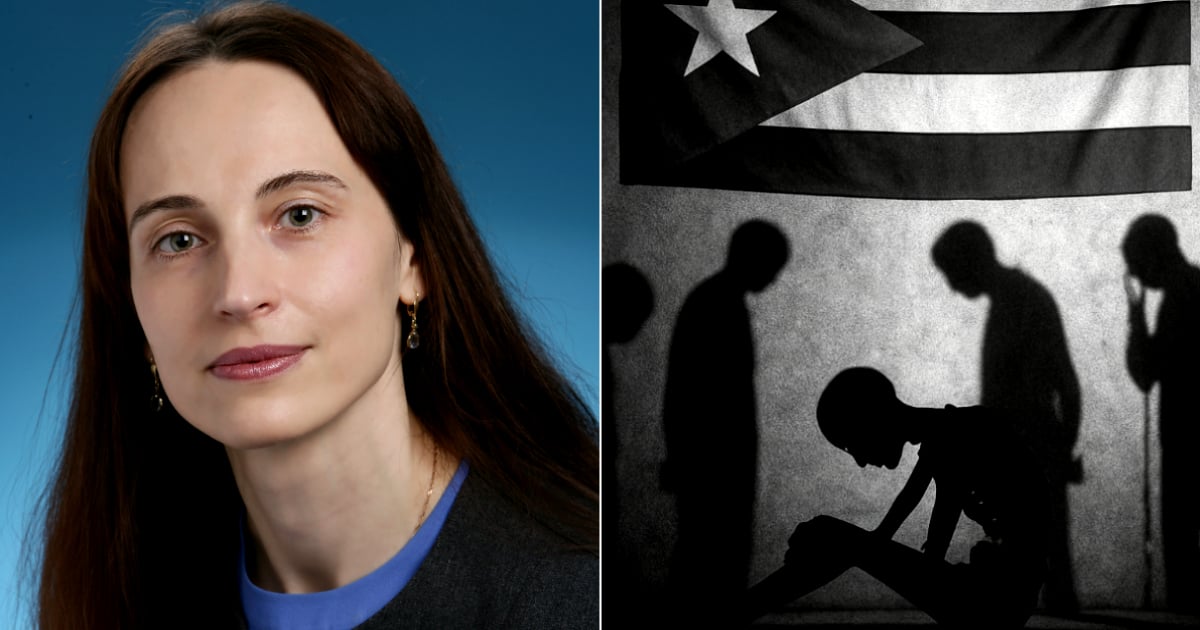
The Cuban government is engaging in a vigorous diplomatic push to sway the official visit of the United Nations Special Rapporteur on unilateral coercive measures, Alena Douhan. Douhan, a Belarusian official known for her favorable reports on authoritarian regimes like Venezuela, arrived in Cuba on November 11 for a ten-day stay with the task of assessing the impact of unilateral sanctions on human rights.
Under the leadership of the Castro family and the military elite GAESA, represented by appointed leader Miguel Díaz-Canel, the Cuban regime aims to use this visit to bolster its narrative that the so-called "U.S. blockade" is to blame for the economic and social crisis suffocating its people.
The Cuban Ministry of Foreign Affairs (MINREX) has released statements and images of Douhan's meetings with high-ranking officials, including Deputy Minister Carlos Fernández de Cossío, emphasizing the purported "humanitarian" nature of her visit.
However, opposition groups and human rights activists have warned of the political manipulation of this mission, intended to produce a favorable report that obscures the regime's own responsibility for repression, poverty, and the mass exodus of Cubans.
The Council for Democratic Transition in Cuba (CTDC) has urged the rapporteur to also listen to representatives from the independent civil society, highlighting that human rights violations in Cuba "do not depend on external sanctions, but on the state's lack of political will."
In this regard, Martí Noticias reported that its vice president, Manuel Cuesta Morúa, encouraged Douhan to ask Cubans directly about who is truly responsible for the crisis.
Controversial RapporteurUnlike other UN envoys, Douhan has faced criticism for her closeness to authoritarian governments. In 2021, she released a report on Venezuela that downplayed the crimes of Nicolás Maduro's regime and largely blamed international sanctions for the humanitarian emergency.
In a diplomatic gesture of transparency, the rapporteur posted a message on the social media platform X (formerly Twitter) last Sunday, stating her openness to receive testimonies and documents from any interested parties.
"I reiterate my willingness to receive all relevant contributions," she wrote, inviting information to be sent to her official email address.
Voices from civil society, both inside and outside the island, are calling to seize this opportunity to amplify the Cuban people's perspective, documenting the regime's abuses, lack of freedoms, and the true impact of internal repression that cannot be attributed to any embargo but rather to over six decades of dictatorship.
Understanding the Impact of Sanctions and Internal Policies in Cuba
What is the purpose of Alena Douhan's visit to Cuba?
Alena Douhan's visit is intended to assess the impact of unilateral sanctions on human rights in Cuba. The Cuban government views her visit as an opportunity to support its claim that the U.S. blockade is the primary cause of the nation's economic and social issues.
How has the Cuban regime attempted to influence Douhan's visit?
The Cuban government has orchestrated a diplomatic effort, sharing statements and images of Douhan's meetings with high-ranking officials, to emphasize the humanitarian aspect of her visit and reinforce their narrative against U.S. sanctions.
What concerns have been raised by Cuban civil society?
Civil society groups and human rights activists have expressed concerns about the political manipulation of Douhan's mission. They urge the rapporteur to also consider the voices of independent civil society, emphasizing that Cuba's human rights issues stem from the government's own policies rather than external sanctions.