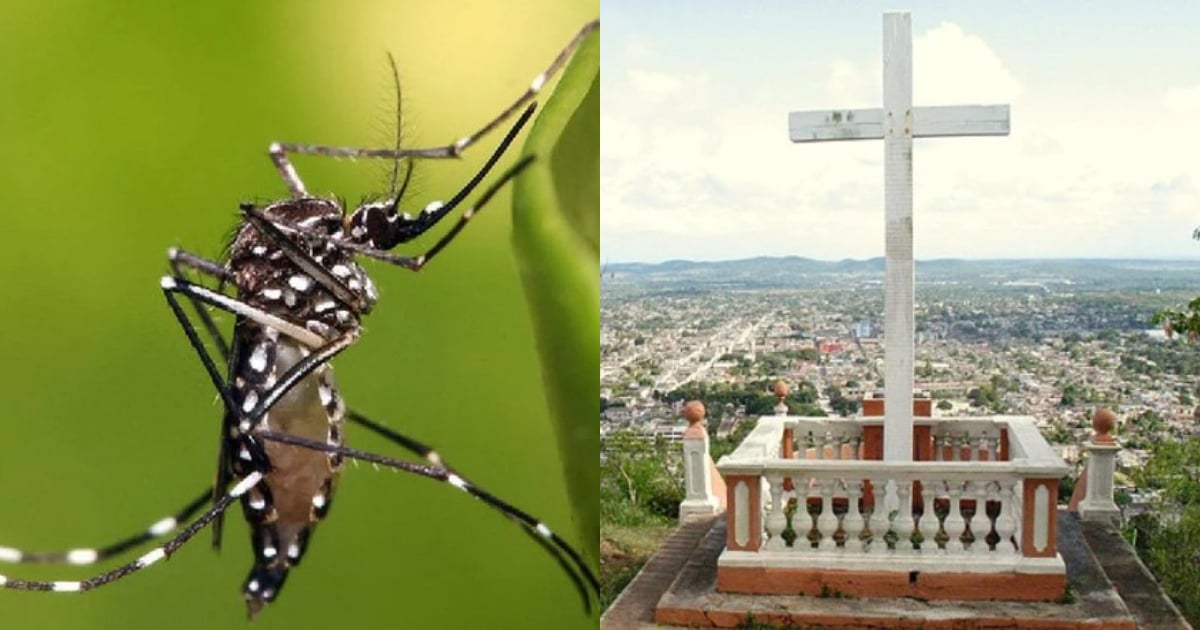
The province of Holguín is witnessing a significant decline in public health conditions, characterized by the spread of chikungunya and dengue serotype four. This situation has worsened amid a surge in febrile syndromes following Hurricane Melissa.
Geanela Cruz Ávila, head of the Provincial Center for Hygiene and Epidemiology, noted a notable increase in treatments for specific febrile syndromes over the past month. The high concentration of the Aedes aegypti mosquito has exacerbated the risk of arbovirus transmission.
Polymerase Chain Reaction (PCR) tests conducted at the Pedro Kourí Institute of Tropical Medicine (IPK) confirmed the presence of dengue serotype four (DEN-4) and the chikungunya virus in the eastern region. These findings align with the increasing symptoms reported by residents, such as joint pain, fever, general discomfort, loss of appetite, and limited mobility, as acknowledged by the official newspaper ¡Ahora!
Experts highlighted that dengue symptoms can appear between three and 14 days after an infectious bite, presenting with high fever, intense headaches, eye discomfort, muscle and joint pain, nausea, vomiting, or rashes.
In the case of chikungunya, symptoms typically manifest between four and eight days after infection, with sudden fever and joint pain that can last for months.
Faced with this epidemiological scenario, the provincial strategy presented to the Provincial Defense Council received approval. It involves the initiation of active transmission in four municipalities with the highest number of cases of nonspecific febrile syndromes: Holguín, Cacocum, Urbano Noris, and Cueto.
The director emphasized that the risk is prevalent across the entire province.
The response plan includes nine components: epidemiological surveillance, medical care organization, environmental sanitation, communication and promotion activities, community involvement, community screenings, home or hospital admissions, monitoring for warning signs, entomo-epidemiological analyses, and adulticidal and focal measures in and around homes.
Cruz Ávila stressed the importance of citizen participation to halt transmission. She mentioned measures such as covering water containers, eliminating hazards in yards and homes, and ensuring clean surroundings to prevent mosquito breeding, which typically occurs near residences.
Nonetheless, in major cities across the country, overflowing garbage bins, stagnant water in streets, and a lack of basic resources remain issues, a governmental responsibility often overlooked by official media.
The Cuban government has belatedly begun producing natural repellents in the province of Granma, a move that comes long after Havana stores sold products exclusively in foreign currency, despite the escalating spread of arboviruses.
This delay in product manufacturing coincides with the mosquito-borne diseases escalating to a nationwide health crisis.
According to the National Director of Epidemiology at the Ministry of Public Health (Minsap), Dr. Francisco Durán García, over 30% of Cubans have contracted chikungunya, equating to approximately 3 million people on the island.
Understanding Chikungunya and Dengue in Holguín
What are the symptoms of chikungunya?
Chikungunya symptoms typically include sudden fever and joint pain, which can persist for months. Other symptoms may include headache, muscle pain, joint swelling, and rash.
How is dengue serotype four different from other types?
Dengue serotype four (DEN-4) is one of the four types of dengue viruses. It can cause similar symptoms to the other types, such as high fever, severe headache, pain behind the eyes, joint and muscle pain, and rash. The severity of the disease can vary depending on the individual's immunity and the serotype.
What measures are being taken to combat the spread of these viruses in Holguín?
A comprehensive plan has been implemented, including epidemiological surveillance, medical care organization, environmental sanitation, community involvement, and public awareness campaigns. These efforts aim to reduce mosquito breeding sites and improve public health responses.