In an effort to address the dire health situation across Cuba, the nation's government is turning to clinical trials and experimental drugs aimed at tackling the widespread transmission of dengue and chikungunya, two prevalent vector-borne diseases sweeping nearly the entire island.
During an official broadcast of Mesa Redonda, Francisco Durán, the national director of Epidemiology, highlighted that the country is currently engaged in 21 ongoing research initiatives involving domestically manufactured products. This occurs within a scenario marked by health alerts and an overwhelmed hospital system.
"We are working intensively, as we did with COVID-19," Durán stated, attempting to instill confidence through state-run media, even as citizens' reports paint a picture of overcrowded hospitals, shortages of essential medications, and a healthcare system in neglect.
Experimental Drugs and Repeated Promises
Among the drugs under examination is Jusvinza, initially developed for severe COVID-19 cases and now being tested for its purported immunomodulatory and anti-inflammatory effects in chronic and subacute chikungunya patients. Additionally, rectal ozone therapy trials aim to alleviate post-infection joint pain, while Cumeric, a nasal drop derived from turmeric, is claimed by the Ministry of Public Health (MINSAP) to offer protective benefits against these arbovirus infections.
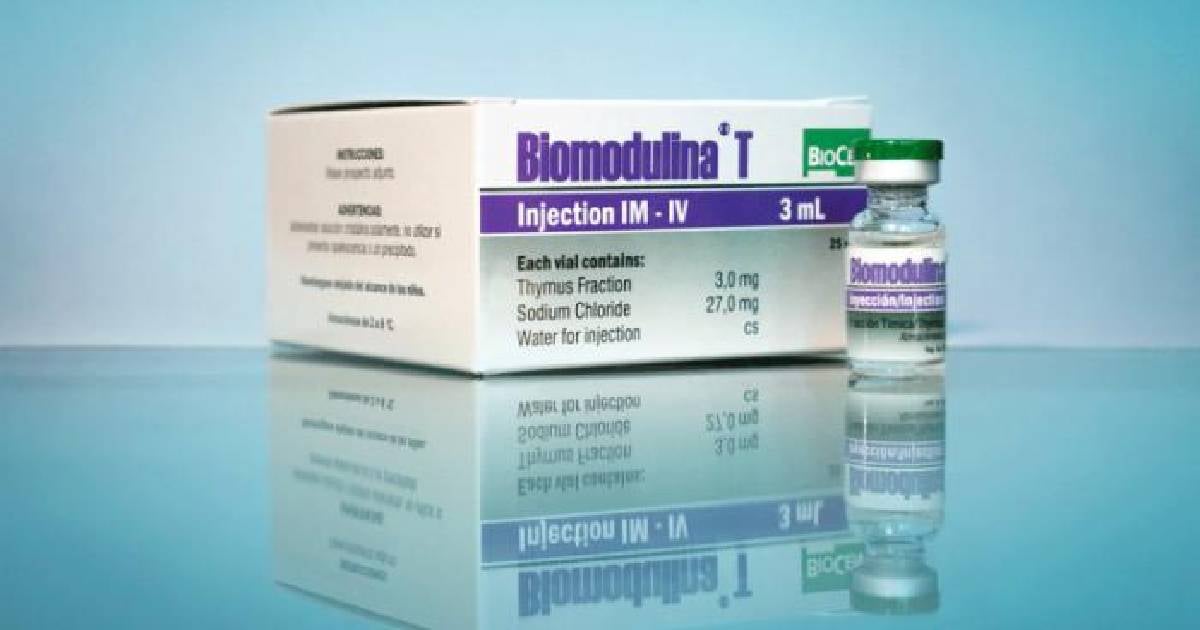
The government is also advocating for the use of Biomodulina T and Thymalin—immunostimulant drugs commonly administered to the elderly—as part of a "health intervention" targeting vulnerable populations, particularly in Havana's Cotorro municipality.
A Nation in Crisis and Resource Scarcity
Durán's remarks come amid one of Cuba's most severe health crises, with over 20,000 confirmed chikungunya cases and thousands more suffering from febrile illnesses nationwide. Despite official claims of a "downward trend," accounts from medical professionals and citizens tell a different story: a shortage of medications, ineffective fumigation efforts, and accumulating garbage exacerbating the spread of the Aedes aegypti mosquito.
Meanwhile, the regime touts the development of these drugs as a testament to "scientific sovereignty," despite hospitals lacking basic supplies like IV fluids and antibiotics, alongside an insufficient workforce. Clinical trials proceed without transparency or independent review.
Between Propaganda and Crisis
The official narrative seeks to echo the strategy employed during the COVID-19 pandemic, promoting the notion that "Cuban science" can manage the health crisis. Nonetheless, the rising infection rates, reports of inadequate medical care, and unrecorded deaths depict a nation overwhelmed and neglected.
While these new drugs may offer some relief, they are unlikely to offset the deficiencies in infrastructure, preventive measures, and healthcare management that leave Cuba vulnerable to mosquitoes, government negligence, and a health system teetering on the brink of collapse.
Understanding Cuba's Health Crisis
What are the main diseases affecting Cuba currently?
Cuba is currently facing widespread transmission of dengue and chikungunya, both of which are vector-borne diseases carried by mosquitoes.
How is the Cuban government addressing the health crisis?
The government is conducting clinical trials with experimental drugs and promoting the use of immunostimulants among vulnerable populations, despite challenges such as medication shortages and hospital overcrowding.
What challenges does the Cuban healthcare system face?
The healthcare system in Cuba struggles with a lack of essential medical supplies, inadequate fumigation efforts, and poor infrastructure, all of which contribute to the current health crisis.