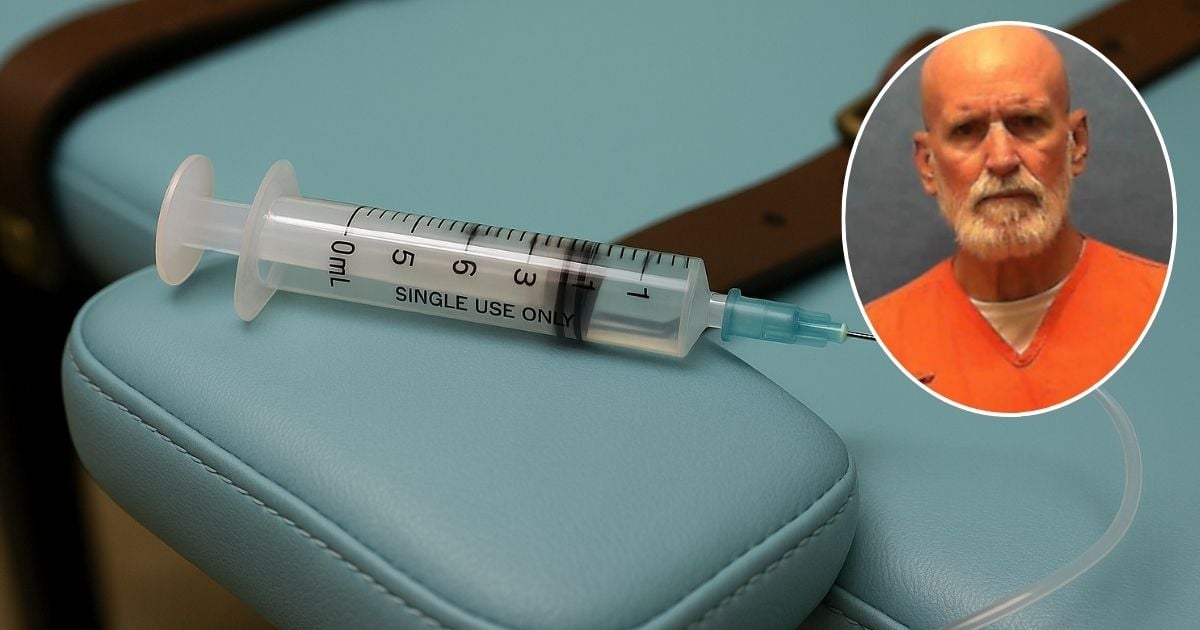
On Thursday, Florida set a new record with the scheduled execution of Bryan Frederick Jennings, a former Marine convicted of the 1979 kidnapping and murder of young Rebecca Kunash. This execution marks the 16th in 2025 under the leadership of Governor Ron DeSantis, the highest number recorded in a single year.
Jennings, now 66, is set to receive a lethal injection at 6:00 p.m. at the Florida State Prison, following the U.S. Supreme Court's dismissal of his final appeal, which cleared the way for the execution to proceed.
Court documents reveal that in May 1979, Jennings broke into the home of little Rebecca Kunash, abducted her from her room, and committed severe assaults that led to her death. Her body was discovered hours later in a nearby canal. This case shocked Brevard County and saw Jennings on death row for nearly four decades.
According to a report by EFE, Jennings' legal proceedings experienced numerous phases, with his initial two convictions being overturned on appeal, and the final sentence handed down in 1986. His defense team claimed he spent months without legal representation before the governor signed the ultimate death warrant and noted that he had not received a clemency hearing since 1988.
Florida's Leading Role in Capital Punishment
Florida has emerged as the leading state for executions in the U.S. this year, accounting for over a third of all those carried out nationwide.
In the coming weeks, two more executions are slated: Richard Barry Randolph, another former military member, on November 20, and Mark Allen Geralds on December 9. If completed, the total will rise to 18 executions in 2025.
Governor DeSantis has defended this brisk pace, stating that "delayed justice is denied justice." However, civil organizations accuse him of using the death penalty as a political tool.
Moreover, with Jennings' execution, nine former military personnel have been executed under the DeSantis administration. Activists and veterans warn that many return from service with untreated trauma, post-traumatic stress, or injuries.
Retired Sgt. Ryan Sanshuck bluntly stated, "When Florida executes veterans, it sends a message that our pain and service do not matter."
Catholic Bishops Call for Clemency
Days before the execution, the Florida Conference of Catholic Bishops sent a letter to DeSantis urging a halt to the executions of Jennings and Randolph. They argued that "it is possible to fulfill the ends of punishment while also exercising mercy," condemning the death penalty as contrary to human dignity.
Catholic communities held vigils and prayers for the condemned, the victims, and their families.
FAQs on Florida's Execution Record
Why is Florida leading in executions this year?
Under Governor Ron DeSantis, Florida has aggressively pursued capital punishment, resulting in the highest number of executions in the U.S. this year. His administration views swift justice as essential, though critics argue it serves political purposes.
What are the concerns regarding executing former military personnel?
Advocates express concern that many veterans return from service with untreated trauma or PTSD. Executing veterans, they argue, overlooks their service and the mental health issues they may face.
How have religious groups reacted to the executions in Florida?
Religious groups, particularly the Florida Conference of Catholic Bishops, have called for clemency and argue that the death penalty violates human dignity. They have held vigils and encouraged prayers for all involved.