Health officials in Matanzas have announced a consistent decrease in dengue and chikungunya cases across the province, following several weeks of intensive efforts to curb the outbreak.
Andrés Lamas Acevedo, director of the Provincial Center for Hygiene, Epidemiology, and Microbiology, explained that the number of patients experiencing fever and related symptoms has been declining for the third consecutive week. This downturn comes after the region reached its highest infection rates just over a month ago.
"The downward trend in fever cases continues," Lamas Acevedo stated on Wednesday during an epidemiological update shared on Facebook by the state-run newspaper Girón.
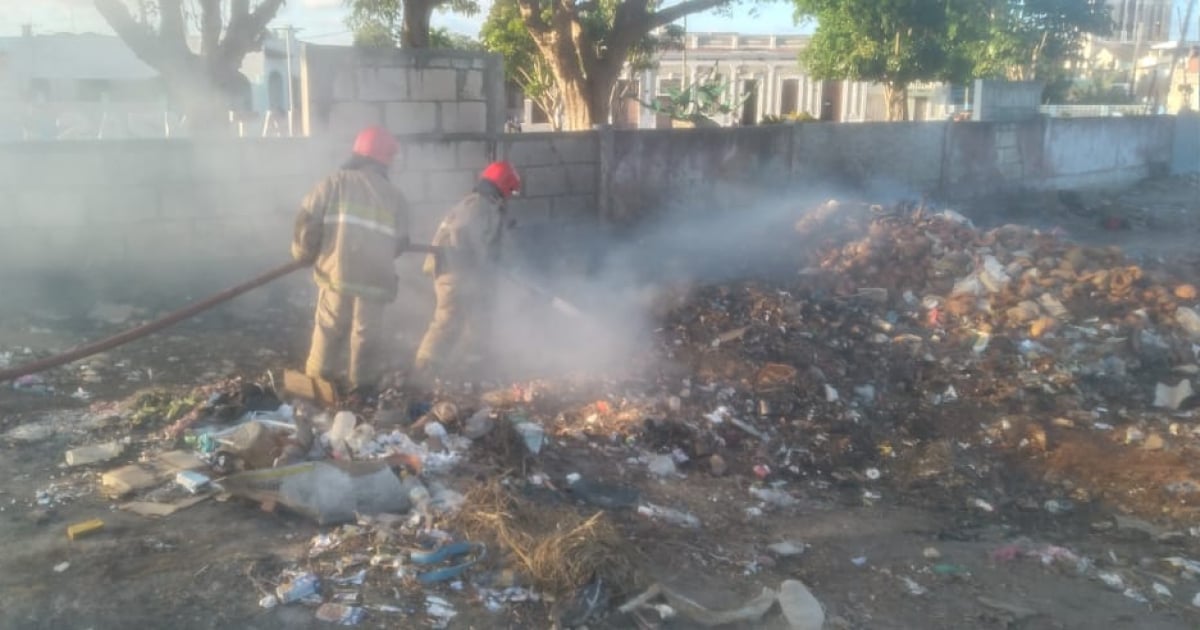
He emphasized that significant efforts have been made in the municipalities of Matanzas and Cárdenas, with only one polyclinic yet to complete its sanitation measures.
In the provincial capital, proactive interventions have extended to neighborhoods such as Guanábana, Carbonera, Ceiba Mocha, and Paso del Medio.
Currently, hospital admissions are minimal, with only 20% of beds designated for arbovirus cases being occupied. This indicates a substantial reduction in both the severity and number of patients, according to the report.
"When assessing the decrease in fever cases, hospital admissions, and the severity of cases, it becomes clear that the epidemic is nearing complete resolution. The cooler temperatures are beneficial as they slow down the mosquito's life cycle," the epidemiologist noted.
However, public sentiment tells a different story. In response to the post, some readers commented, "The reality is most of us have already been infected. The numbers they're talking about aren't real. Conduct a household survey. What decrease are they talking about?"
Another added, "Of course, it has to decline if almost everyone is infected."
Additionally, one internet user remarked, "The issue with this virus is that symptoms persist, so the sick remain sick."
Despite the reported progress, health authorities cautioned that dengue and chikungunya viruses are still circulating, necessitating continued preventive measures and monitoring.
"At the end of epidemics, it's crucial to maintain strict surveillance over warning signs to prevent any fatal outcomes," Lamas Acevedo warned.
During the peak of the epidemic, Matanzas reported over 4,000 weekly cases of fever, linked to the simultaneous circulation of dengue and chikungunya viruses.
Questions and Answers on Dengue and Chikungunya Situation in Matanzas
What measures have been taken to control the epidemic in Matanzas?
Intensive efforts have been made, especially in Matanzas and Cárdenas municipalities, including sanitation actions and extending interventions to various neighborhoods.
Why is there skepticism among the public regarding the decline in cases?
Some residents believe that the actual number of infections is much higher and that the decline is due to most people already being infected rather than effective control measures.
What is the current status of hospital admissions related to these viruses?
Hospital admissions are currently minimal, with only 20% of beds for arbovirus cases occupied, indicating a decrease in both severity and number of cases.