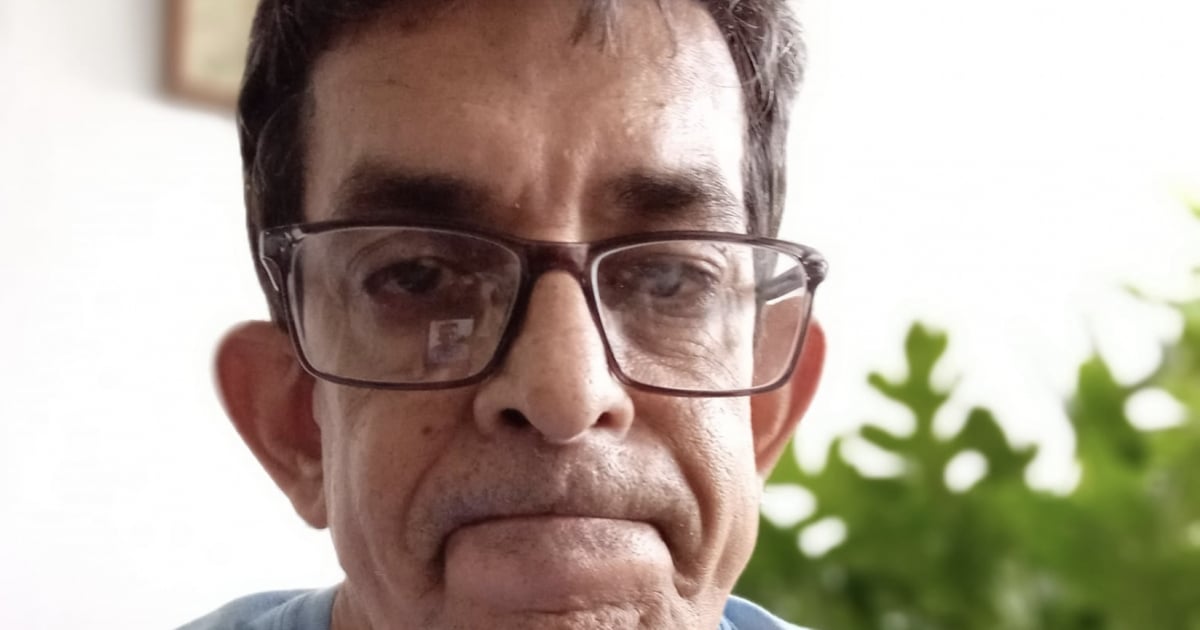
Cuban comedian Ulises Toirac recently announced on social media that he has contracted chikungunya, a mosquito-borne illness significantly impacting the Cuban population amidst the current health crisis.
"I've finally caught it. I'm now in style," the artist humorously shared on his Facebook profile, where his post quickly gathered hundreds of supportive and concerned messages. Fans flooded the comments with wishes for a speedy recovery and shared their own encounters with the disease.
After revealing his diagnosis, Toirac expanded on his message with a health warning, emphasizing the importance of staying hydrated. He explained that "chikungunya causes a hyper-viscosity of fluids" and that "the difference between surviving or facing a high risk of a heart attack depends on drinking at least three liters of water daily." He also mentioned that those who can, should use hydrating salts, which he noted are "much, much, much better."
The comments left on his post reflect a blend of concern, empathy, and resignation over a disease that many users noted has spread widely across the island. Numerous individuals shared tips for symptom relief and agreed on the seriousness of the outbreak.
This announcement came two days after Toirac posted a somewhat prophetic message, warning that the virus was already circulating in his household: "I have the unpleasant feeling that we're going to catch the trend at home despite extreme avoidance measures. Chikungunya is joining the dance. What a mess!" he wrote, alongside a picture of a mosquito.
Recently, Cuban authorities acknowledged the rampant spread of arboviruses, including both dengue and chikungunya, with over 21,000 cases and active transmission in 38 municipalities, coupled with widespread fever outbreaks across much of the country.
In light of these circumstances, leader Miguel Díaz-Canel promised that the government would tackle the epidemic "as we did with COVID-19," a statement that provoked criticism on social media and dissatisfaction over the lack of visible results and slow health response. Many users voiced their frustration over the shortage of medications, insufficient fumigation efforts, and the decline of health services. Several pointed out that nearly every family has a sick member, and the crisis is exacerbated by the inability to access basic treatments.
Meanwhile, doctor and activist Lucio Enríquez Nodarse called for international health and military intervention to ensure access to medicines and food, arguing that the regime has turned the state "into a weapon against its own people."
From exile, groups of professionals have also raised alarms about the growing number of infections and the lack of medical resources, urging immediate actions to control the outbreaks and provide support to the population.
Chikungunya Crisis in Cuba: Key Questions Answered
What is chikungunya and how is it transmitted?
Chikungunya is a viral disease transmitted to humans by infected mosquitoes, primarily the Aedes aegypti and Aedes albopictus species.
What are the main symptoms of chikungunya?
The primary symptoms include high fever, severe joint pain, muscle pain, headache, nausea, fatigue, and rash.
How can chikungunya be prevented in Cuba?
Preventive measures include using insect repellent, wearing long sleeves and pants, and eliminating standing water where mosquitoes breed.
What is the Cuban government's response to the chikungunya outbreak?
The government has promised to combat the outbreak similarly to their COVID-19 approach, though there is public criticism about the delay and effectiveness of their response.
What role are Cuban exiles playing in addressing the health crisis?
Cuban exiles, including medical professionals, have been raising awareness about the spread of the disease and the lack of medical supplies, urging for urgent intervention and support for the affected population.