Santiago de Cuba is currently under a health alert as cases of fever linked to dengue and chikungunya continue to rise, according to sources from the Ministry of Public Health as reported by the state-run station CMKC Radio Revolución.
On Tuesday, health authorities acknowledged an epidemic situation, indicating active transmission of both viruses. The region is experiencing a daily average of 1,200 to 1,234 patients suffering from fever of unspecified origin, the report highlights.
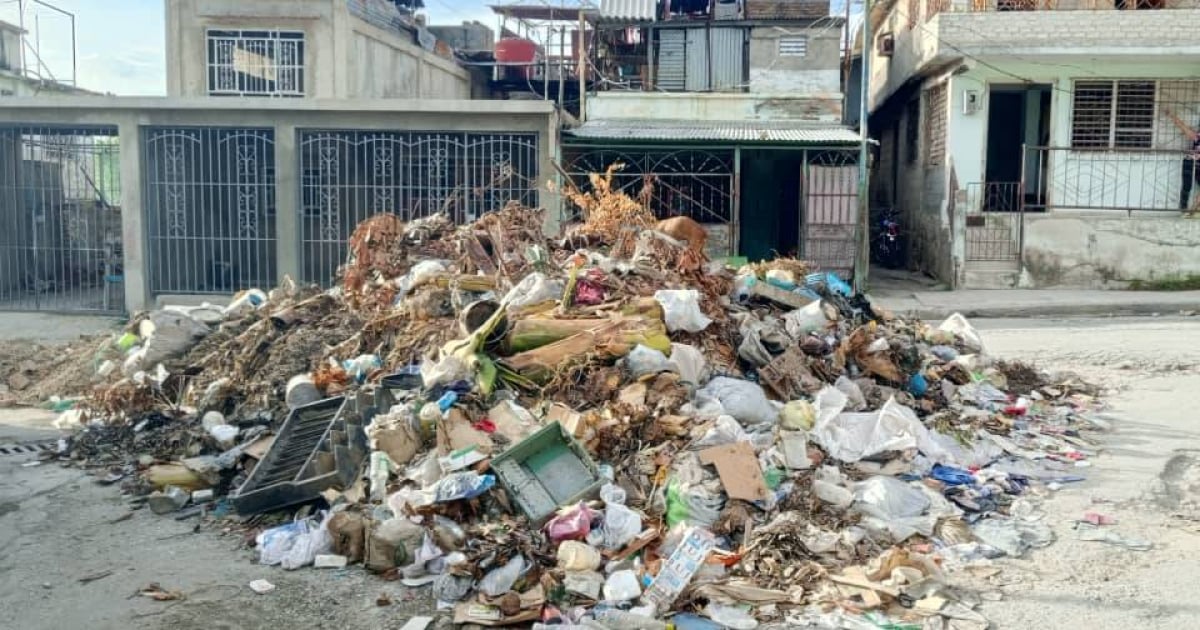
The situation has been exacerbated by a recent hurricane that swept through the area, leading to a surge in the population of Aedes aegypti mosquitoes, the primary carriers of these diseases.
The Pedro Kourí Institute of Tropical Medicine (IPK) has confirmed a significant increase in the circulation of the chikungunya virus, which was first identified in Africa in 1952 and has spread across the Americas since 2014.
The rapid spread of chikungunya in Cuba is largely attributed to the high mosquito density, increased human movement, and shortcomings in local health management.
Chikungunya is known for causing high fevers and severe joint pain, which can be debilitating. The acute phase typically lasts between 7 and 10 days, although symptoms may persist for weeks or even months.
Conversely, more severe strains of dengue can lead to internal bleeding and serious complications, particularly in individuals who have previously contracted a different serotype of the virus.
An accurate diagnosis of chikungunya can only be made from the sixth day of the illness through a monospecific test, often leading to confusion with other viral infections, according to health officials.
In hospitals, admissions are provisionally classified as suspected cases of dengue or chikungunya to streamline epidemiological monitoring.
Although chikungunya historically does not have high mortality rates, it can lead to severe complications when chronic illnesses are present or when coinfection with dengue occurs.
In fatal cases, postmortem studies are necessary to ascertain the exact cause of death.
Health officials emphasize the importance of seeking medical attention for any symptoms of fever, rashes, or intense joint pain, and strongly advise enhancing preventive measures to eliminate mosquito breeding sites.
Understanding the Dengue and Chikungunya Crisis in Santiago de Cuba
What factors are contributing to the spread of chikungunya in Cuba?
The spread of chikungunya in Cuba is primarily due to high mosquito density, increased human movement, and deficiencies in local health management.
How does chikungunya differ from dengue in terms of symptoms and impact?
Chikungunya causes severe joint pain and high fevers that can be debilitating, while dengue, especially in severe forms, can lead to internal bleeding and critical complications.
What measures are recommended to prevent mosquito breeding?
Health officials advise eliminating standing water, using mosquito nets, and ensuring proper sanitation to prevent mosquito breeding.