The United States' air travel system is experiencing its most challenging day since the federal government shutdown began, with over 2,100 flights canceled and more than 7,000 delays reported this Sunday. This information comes from FlightAware, as mentioned by The Associated Press.
Since Friday, Transportation Secretary Sean Duffy has warned that air traffic could "drastically reduce" if the shutdown extends into the busy Thanksgiving travel season.
Duffy acknowledged that air traffic controllers have gone without pay for over a month, leading to widespread absenteeism at the nation's busiest airports.
The Federal Aviation Administration (FAA) has initiated flight reductions, starting with a 4% cut on Friday, which will increase to 10% by November 14, from 6 a.m. to 10 p.m., impacting all commercial airlines. This measure aims to prevent incidents in an "overloaded" system, according to Duffy, who noted that "more controllers are not showing up for work" due to the lack of payment.
"This is going to cause significant disruption. Many Americans will be furious," Duffy stated in a televised interview. "It will not get better; it will worsen until air traffic controllers are paid."
Monitoring firm Flighty reported that the four major U.S. airlines—American, Delta, United, and Southwest—experienced 42% of operations disrupted, with an average of 9% cancellations and 33% delays.
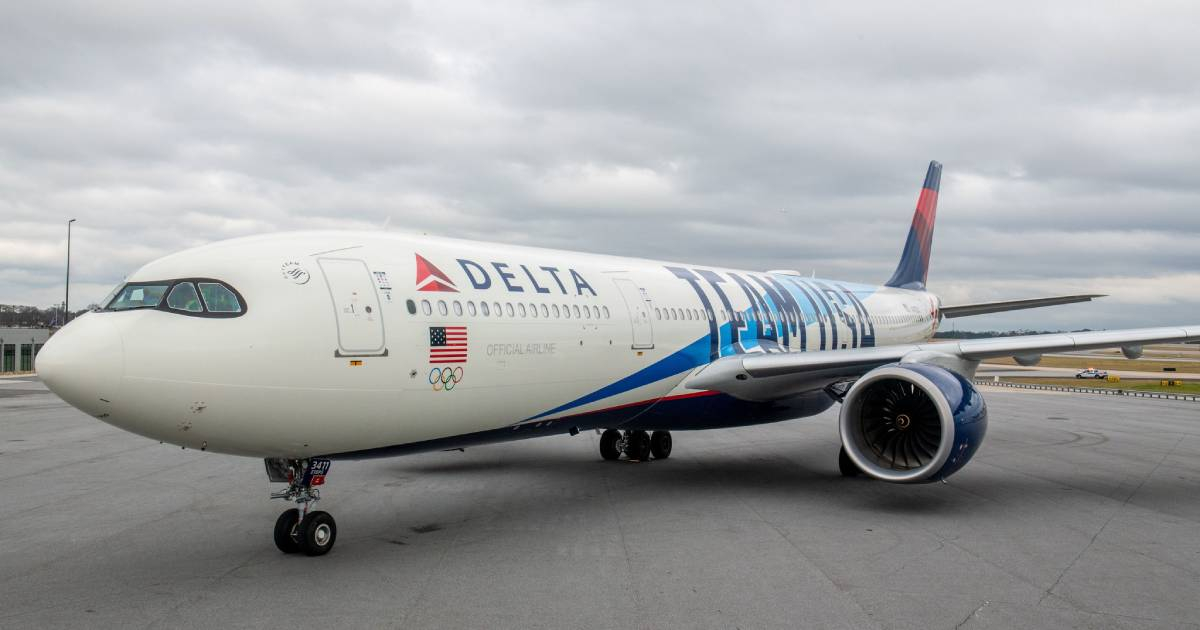
Delta leads with 14% of flights canceled, while Southwest shows the lowest rate at 3.7%, though analysts warn that "their time will eventually run out."
Florida Becomes Epicenter of Air Travel Chaos
Florida, a major hub for tourists and Latin American travelers, has become a focal point of the air travel chaos. According to The Palm Beach Post, over 160 flights were canceled on Sunday at airports in Miami, Fort Lauderdale, Orlando, and Tampa, leaving thousands of passengers stranded.
At Miami International Airport (MIA), Local 10 News reported 45 delayed flights and 24 cancellations, while Fort Lauderdale-Hollywood (FLL) saw 33 delays and 31 cancellations. Some travelers spent the night in terminals.
Aviation authorities advised passengers to check their flight status before departing for the airport and to expect long waits at security checkpoints. The Transportation Security Administration (TSA) warned that lines could grow even longer as the federal shutdown continues.
Political Tensions and Human Impact
The government shutdown—initiated by a deadlock in Congress over the federal budget—has created a ripple effect on the country's critical infrastructure, from air travel to civil services.
The Transportation Secretary indicated that flight cuts might need to increase to 20% if controllers are not compensated soon. "There will be only a few flights taking off and landing," he warned.
Duffy denied that the cancellations are a political maneuver, but his statements have stirred tensions in Washington. Meanwhile, airports reveal the conflict's other side: crowded corridors, red screens, and weary passengers bearing the brunt of a crisis brought on by government paralysis.
Understanding the U.S. Flight Disruptions
What is causing the massive flight cancellations in the U.S.?
The ongoing government shutdown has led to a lack of pay for air traffic controllers, causing high absenteeism and significant disruptions in the air travel system.
How are airlines affected by the current situation?
Major U.S. airlines, including American, Delta, United, and Southwest, have reported substantial operational disruptions, with significant percentages of flights canceled or delayed.
Which areas are most impacted by the flight cancellations?
Florida is particularly affected, with airports in Miami, Fort Lauderdale, Orlando, and Tampa experiencing numerous cancellations and delays, stranding many passengers.