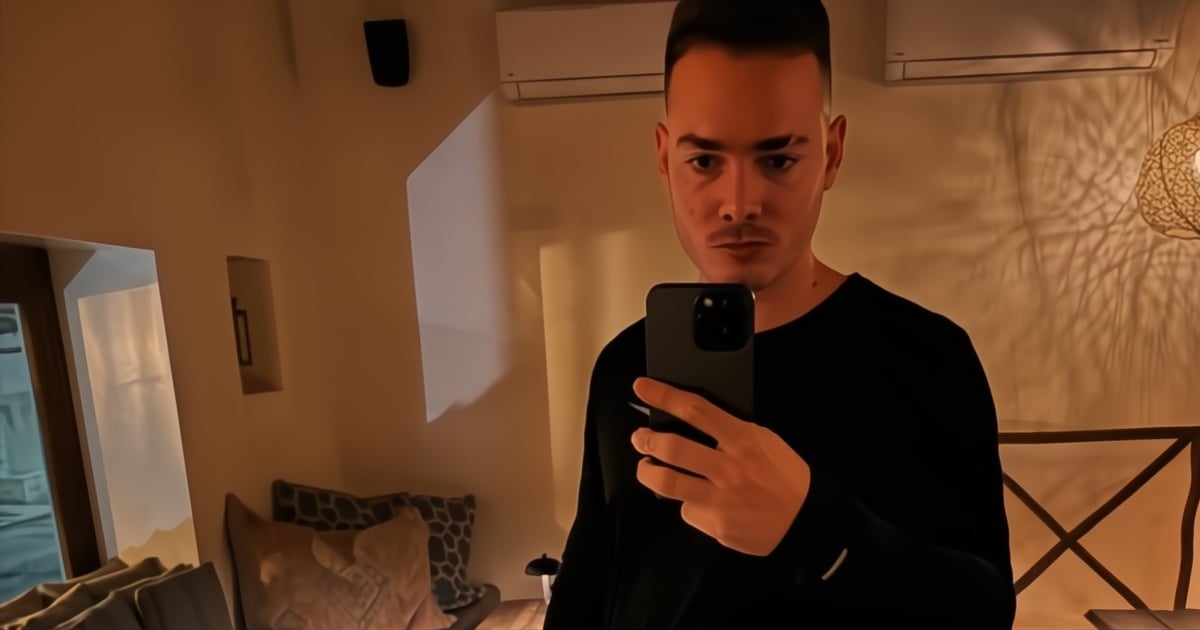
Cubans have responded to influencer Sandro Castro's initiative aimed at reducing the dollar's exchange rate in Cuba's informal market, offering him a series of suggestions through social media.
This past Saturday, the young influencer shared an Instagram story featuring a meme depicting a helicopter carrying a banner that reads, "USD, up to 300 I won't buy MIPYMEROS."
The message targets private business owners in Cuba, implying they have the power to influence inflation and push down the black-market dollar rate. However, Cubans have proposed alternative ways for Sandro to make a difference, challenging him with, "Let's see if you can really do it."
Suggestions for Sandro Castro
Many have suggested he start by reducing prices at his bar and other restaurants in Havana, where costs have only risen. "If he wants to set an example, he should begin with his own establishments before talking about elToque."
Another recommendation was for him to sell the dollars his family has accumulated over the years at 25 pesos each, demonstrating a genuine intent to assist the Cuban people rather than continue amassing wealth.
There are also calls for him to lower prices in private enterprises. Though the dollar might decrease, the costs in these businesses remain the same or higher, with inspectors turning a blind eye. "Why doesn't he focus on reducing the prices of food and drinks?" Using his "influence" to make basic goods more affordable would be a more impactful action.
Some comments suggest that since the dollar is not Cuba's currency, Sandro should concentrate on reducing domestic prices, as Cubans earn in pesos and cannot rely on promises. They encourage him to sell dollars at 300 or less, as he'd surely find eager buyers.
The sarcasm continues with calls for Sandro to turn his wit into concrete actions. "Stop mocking the people with irony and media stunts," one user urged, suggesting he should aid those in need by donating food or supporting victims of economic hardship.
Critics argue that he's not in control of dollar prices and should instead work like everyone else, rather than "living off his last name." Instead of toying with the economy, they suggest he should focus on productive work like any Cuban surviving on meager wages.
Some demand that he use his influence to push for a solid economic strategy, not temporary fixes. "Inflation isn't tackled with memes, but with production and transparency," they argue.
Social media buzzed with sarcastic and critical comments targeting the young entrepreneur, with many accusing him of "living off his name" and attempting to polish his public image while the Cuban population remains mired in economic misery.
Others perceived Sandro's so-called "economic campaign" as a self-promotional tactic to divert attention, reminding him that the people need food, medicine, and fair wages, not speeches about exchange rates.
"Lower food prices, not the dollar," commented one user. "You can do it, Sandrito, start with your own pocket," another quipped sarcastically.
Frequently Asked Questions about Sandro Castro's Campaign
Why is Sandro Castro targeting the private sector in his campaign?
Sandro Castro's campaign suggests that private business owners in Cuba have the power to influence inflation and push down the black-market dollar rate. He believes they can change the economic situation by taking certain actions.
How have Cubans reacted to Sandro Castro's campaign?
Cubans have responded with skepticism and criticism, offering alternative suggestions for how he might help the economy. Many have challenged him to take concrete actions rather than just speak about reducing the dollar rate.