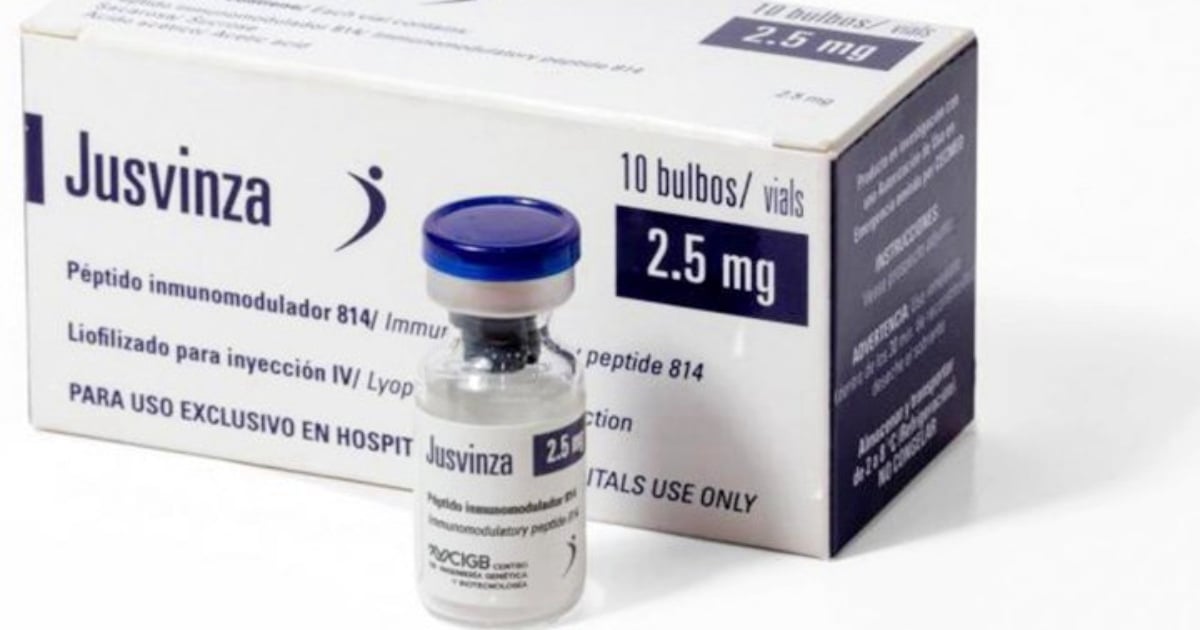
In a recent move, Cuban health authorities have launched a clinical trial of the drug Jusvinza, targeting residual polyarthritis in patients recovering from Chikungunya. This initiative was announced by the state-owned BioCubaFarma via social media.
The trial, greenlighted by the Ministry of Public Health (MINSAP) and the Health Innovation Committee, will take place in four hospitals located in Havana and Matanzas—regions experiencing a significant surge in virus cases recently.
The Aim of the Trial
The primary goal is to assess Jusvinza's effectiveness in reducing joint pain and inflammation, both common and persistent aftereffects of the disease, which can severely impact patients' quality of life for extended periods.
Understanding Jusvinza
Jusvinza is a synthetic peptide that acts as an immunoregulator, developed by the Center for Genetic Engineering and Biotechnology (CIGB). Initially intended for rheumatoid arthritis treatment, it was also used during the COVID-19 pandemic to manage inflammation in severe and critical cases. Its application against Chikungunya marks an effort to explore new therapeutic uses, particularly during the convalescent phase of an arbovirus currently affecting tens of thousands in Cuba.
Current Epidemiological Context
The trial announcement comes amidst a critical epidemiological scenario in Cuba. MINSAP has confirmed the active circulation of three viruses: Chikungunya—currently the most impactful—alongside dengue and Oropouche. By November 5, over 20,000 Chikungunya cases had been officially reported.
National Epidemiology Director, Francisco Durán, has acknowledged the complexity of the situation, especially in provinces like Havana, Cienfuegos, and Matanzas. Although authorities have announced increased fumigation and vector control measures, many communities report these efforts as sporadic, insufficient, or entirely absent in some municipalities.
Public Reaction: Hope and Skepticism
The clinical trial news has sparked diverse reactions on social media, ranging from support to direct criticism of the healthcare management. While some applaud the focus on Chikungunya's lingering effects, describing them as "debilitating pain" and "a total loss of quality of life," others highlight the lack of preventive care and basic healthcare system shortcomings.
Critics question the absence of essential medications like analgesics, antipyretics, and oral rehydration solutions in pharmacies, contrasting it with the availability of high-tech drug trials. Many argue that prevention, particularly vector control, should be prioritized over treatment of sequelae.
Trial Details Remain Sparse
Currently, there is little information about the trial's inclusion criteria, timeline, or subsequent phases. It is also unclear whether, if successful, the drug will be freely accessible to patients with virus sequelae or if it will be integrated into the public health system.
BioCubaFarma has responded to public inquiries, stating the trial is essential for legally expanding the drug's indication and that protocols exist to "accelerate study timelines without compromising process quality." However, many affected individuals fear the results may arrive too late to benefit them.
A Broader Health System Issue
Comments online reveal a significant gap between scientific research and everyday healthcare. Amidst rising viral diseases, many provinces report shortages of doctors, hospital access difficulties, lack of basic medications, and adverse reactions to makeshift treatments.
MINSAP has advised against self-medication and discouraged ibuprofen use in Chikungunya's early stages, yet clarity on available treatments for acute symptoms is lacking. Meanwhile, corruption in fumigation services and the black-market sale of essential medicines, often priced beyond the average monthly wage, persist.
Moving Forward: A Partial Solution?
While the Jusvinza trial could potentially offer relief for Chikungunya's aftereffects, it also highlights the structural limitations of Cuba's healthcare system, plagued by disarray, scarcity, and delayed responses. The scientific effort comes at a time when many are waiting for not just advanced treatments but also basic solutions: pain relief, prompt diagnosis, and timely fumigation.
Cuban science is making strides, but public health needs more than clinical trials: it requires coherence, transparency, and responsiveness to a crisis affecting not only hospitals but the everyday lives of millions.
Key Questions About the Chikungunya Clinical Trial in Cuba
What is the purpose of the Jusvinza clinical trial?
The trial aims to evaluate Jusvinza's effectiveness in reducing joint pain and inflammation in patients recovering from Chikungunya, which are common long-term effects of the disease.
Where is the trial being conducted?
The trial is taking place in four hospitals located in Havana and Matanzas, two areas significantly impacted by the virus in recent weeks.
Why is there skepticism about the trial?
Skepticism arises from the lack of preventive measures and basic healthcare provisions, with critics arguing that prevention should take precedence over treating disease sequelae.