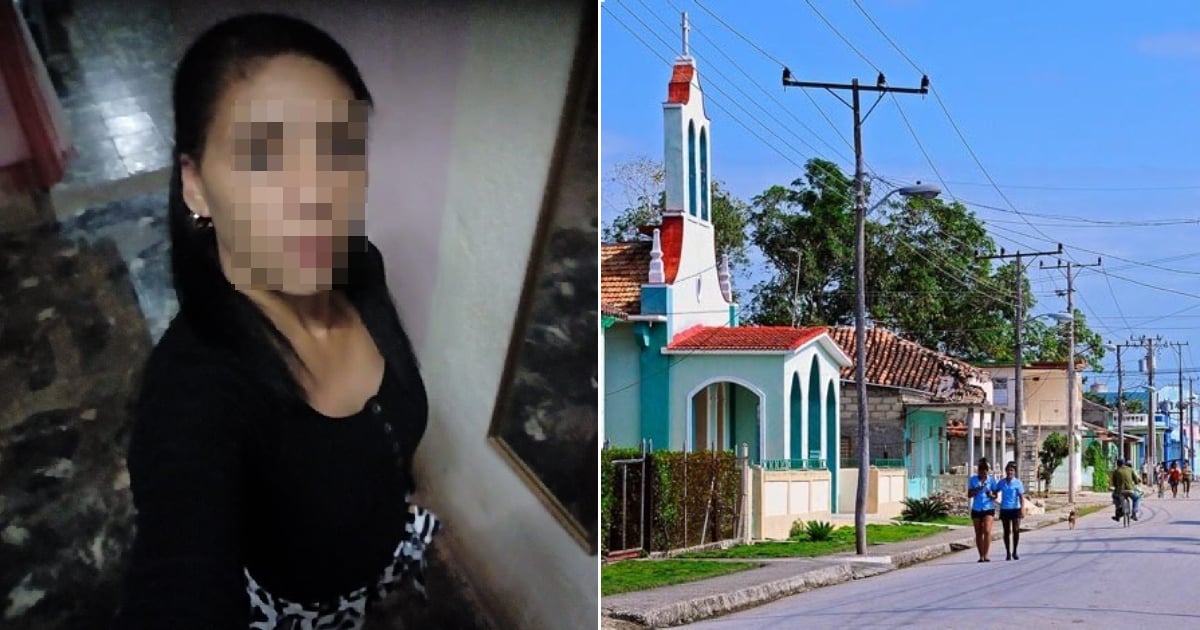
Miriela Mesa Hernández, a Cuban educator living in Ciego de Ávila, was tragically killed by her former partner on Sunday. Despite her reports of harassment and intimidation over several weeks, the incident marks the 38th femicide in Cuba in 2025, as confirmed by independent platforms.
Mesa, aged 45 and mother to a six-year-old daughter, was employed at the Carlos Manuel de Céspedes primary school in the town of Falla, Chambas municipality. She was recognized for her dedication to teaching and her commitment to the community, according to a statement released on Tuesday by gender observatories Alas Tensas (OGAT) and Yo Sí Te Creo en Cuba (YSTCC), who track cases of gender-based violence in the nation.
The Harrowing Incident
Based on accounts from both organizations and statements from the victim’s niece, Yoania González Castillo, the murder took place between 6:00 and 7:30 p.m. on November 2 at the so-called "Park of Lies" in Falla.
Osvany Noa, Mesa's ex-partner, has been identified as the alleged assailant. He reportedly harassed and threatened her for weeks following their separation, a situation neglected by authorities, OGAT and YSTCC warned. Residents in the area witnessed his intimidating and violent behavior toward her days before the murder.
Community Outcry
Eyewitnesses reported that Noa fatally attacked Mesa, stole her mobile phone and bicycle, and escaped. He remains at large. Disturbing details emerged on social media from Falla locals, revealing that the brutal attack occurred in front of her young daughter.
The death of Mesa, described by friends as a “kind, joyful woman devoted to teaching,” has deeply shaken the community. The observatories stressed that this case underscores the lack of effective mechanisms to protect against gender violence in Cuba, highlighting that despite prior reports of harassment and threats, preventive measures were not taken to avert the crime.
Demands for Justice
In another message this Tuesday, OGAT and YSTCC demanded clear communication from the police regarding the whereabouts of Mesa’s aggressor. They also confirmed two other femicides reported in October and September.
One case involves the social femicide of young Heidy León Domínguez, a private transport worker killed with “extreme violence” on October 23 in San Miguel del Padrón, Havana, by unknown assailants attempting to rob her. León’s child and partner, present at the scene, were seriously injured. She resided and worked in Altahabana, Boyeros.
Another case verified was the femicide of Maidelín Reyes Hernández, 49, on September 24. Her ex-partner broke into her home in El Van, Vertientes, Camagüey, and killed her. Reyes was the caretaker of her daughter and two granddaughters.
OGAT and YSTCC reported a disturbing rise in gender violence in Cuba, with several cases emerging across various provinces. They documented two additional femicide attempts, bringing the total to 15 this year, while verifying further alerts from Santiago de Cuba, Villa Clara, and Mayabeque.
The organizations remind the public that reporting these crimes is not a crime itself but a defense of human rights and justice against impunity. They reaffirmed their dedication to honoring the victims’ memories and protecting Cuban women, despite ongoing criminalization of their work highlighting gender violence in Cuba.
Since 2019, until October 1 of this year, independent platforms have documented 300 femicides in Cuba, a figure representing only a portion of the gender violence persisting on the island.
Understanding Femicide in Cuba
What is femicide and why is it a concern in Cuba?
Femicide is the gender-based killing of women, often by intimate partners or family members. It is a significant issue in Cuba due to the lack of effective legal mechanisms to prevent gender-based violence and protect women.
How many femicides have been reported in Cuba in recent years?
Independent platforms have documented 300 femicides in Cuba from 2019 to October 2023, highlighting the ongoing crisis of gender violence.
What actions are being taken to address femicide in Cuba?
Organizations like OGAT and YSTCC are actively monitoring and reporting cases of gender violence, advocating for legal reforms and protection mechanisms, and urging authorities to act against aggressors.