In the midst of a severe health crisis, Cuba is set to commence a clinical study in the coming days aimed at assessing the effectiveness of the domestic drug Juzvinza in patients suffering from chikungunya virus aftereffects. This announcement was made by the Ministry of Public Health (Minsap) on their official website.
The trial will take place across four hospitals located in the provinces of Havana and Matanzas, and it stands as a part of the national health innovation initiative.
The authorities have emphasized that the primary goal is to enhance the treatment of lingering joint inflammatory symptoms following the infection.
Back in 2020, Juzvinza was introduced as a therapeutic alternative developed by the Center for Genetic Engineering and Biotechnology (CIGB), designed to manage hyperinflammation, regulate immune response, and lower mortality risk in coronavirus patients.
This initiative is unfolding against the backdrop of a critical health crisis fueled by a surge in mosquito-borne diseases, such as dengue and chikungunya itself.
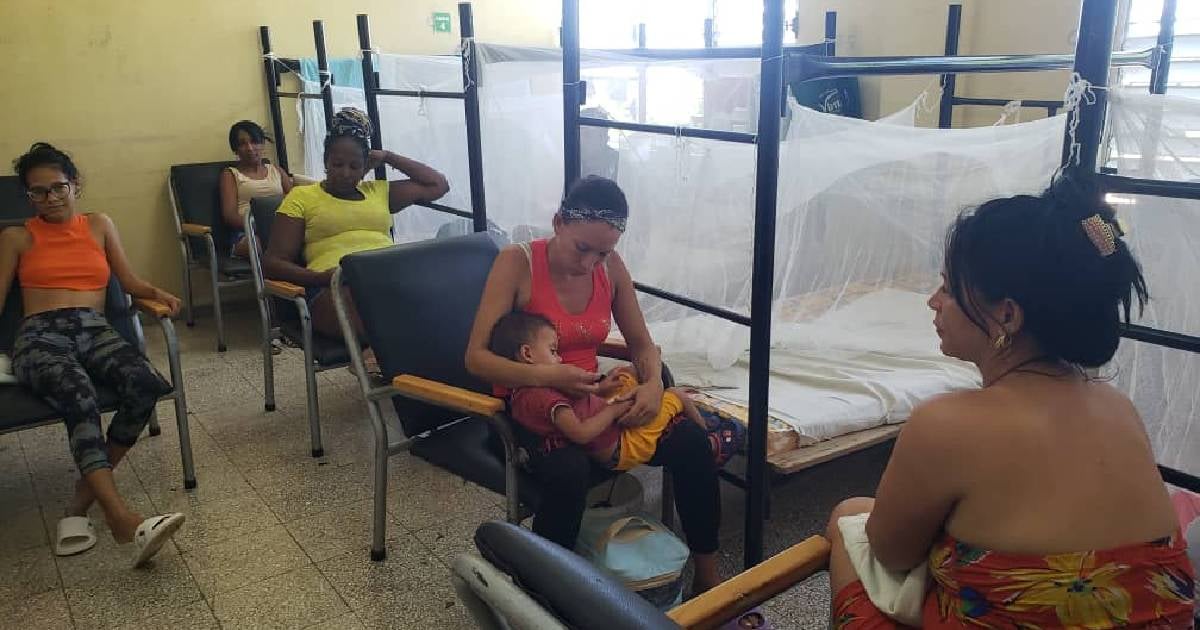
The country is witnessing a healthcare system meltdown, with hospitals overwhelmed, thousands of patients, and a worsening shortage of medications. Public complaints are escalating over inadequate care, deteriorating healthcare facilities, and corruption in mosquito fumigation campaigns.
Focus on Mosquito Infestation and Clinical Enhancements
Dr. Ileana Morales Suárez, head of Science and Technological Innovation at Minsap, stated that the studies aim to combat mosquito vector infestation rates, improve clinical treatments, and mitigate the virus's aftereffects.
Meanwhile, María Guadalupe Guzmán Tirado, director of Research at the Pedro Kourí Institute (IPK), acknowledged that the spike in infections is attributed to the population's low immunity and the virus's current widespread circulation in the country.
While Minsap presents the research as a scientific breakthrough, the reality in Cuban hospitals and clinics reflects an overwhelmed healthcare system, lacking resources and with exhausted personnel. Increasingly, prevention and treatment rely on citizen initiative rather than the regime's institutions.
FAQs on Cuba's Health Crisis and Chikungunya Study
What is Juzvinza and how does it work?
Juzvinza is a therapeutic drug developed by the Center for Genetic Engineering and Biotechnology in Cuba. It is designed to manage hyperinflammation, regulate immune response, and reduce mortality risk, initially for coronavirus patients but now being tested for chikungunya aftereffects.
Why is the chikungunya virus a significant concern in Cuba now?
The chikungunya virus has become a significant concern in Cuba due to the severe health crisis marked by the spread of mosquito-borne diseases and the country's struggling healthcare infrastructure, leading to numerous infections and inadequate medical resources.