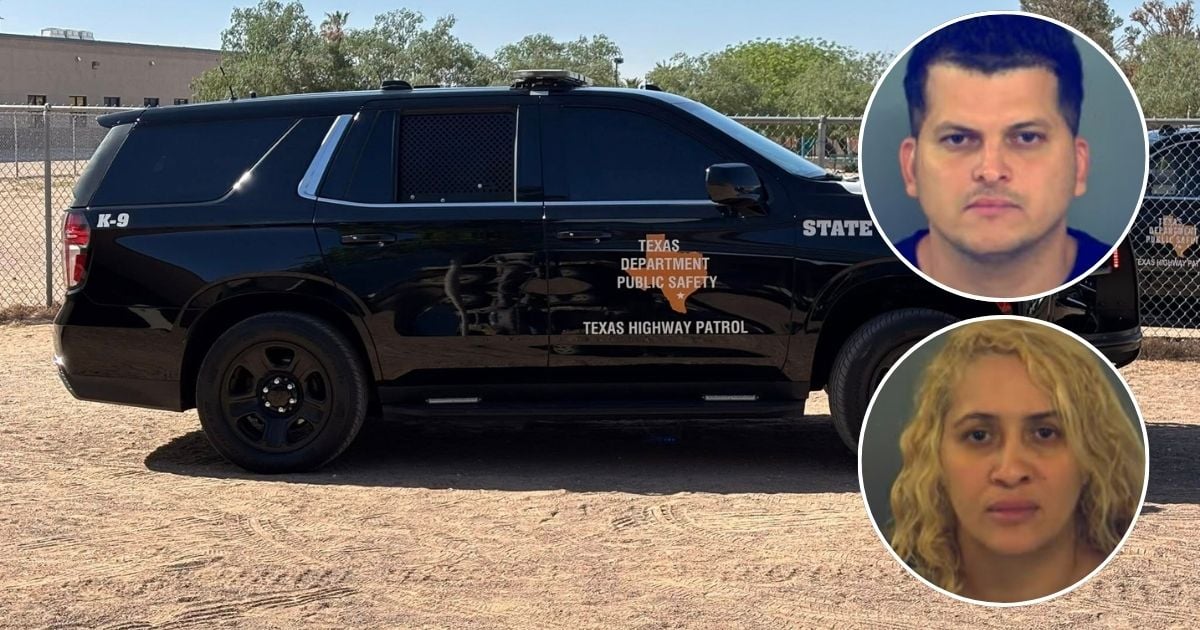
A Cuban migrant has been identified as one of the victims in a human trafficking network dismantled in El Paso, Texas. A well-known local attorney was arrested in connection with the case, accused of paying for sexual services from the woman, who was coerced into prostitution to settle a debt with the traffickers who facilitated her entry into the United States.
According to KFOX-TV, a U.S. television channel, 51-year-old attorney Mario Ortiz Saroldi allegedly paid $850 for sexual encounters with the Cuban migrant, who entered the country in January 2024.
The news outlet, affiliated with the Fox Broadcasting Company and based in El Paso, reported that the attorney was caught on video multiple times picking up the woman from a home in the eastern part of the city, where she was believed to be sexually exploited by her captors.
This investigation, which spanned over a year and involved the Texas Department of Public Safety (DPS), Homeland Security Investigations (HSI), and Immigration and Customs Enforcement (ICE), led to the dismantling of an international human trafficking network. Nine individuals were apprehended on charges related to prostitution, human trafficking, aggravated promotion of prostitution, drug possession, and organized crime, as noted by KFOX-TV and the El Paso Times.
The DPS confirmed in an official statement that the network operated internationally, stretching "from Cuba, through Central America and Mexico, to the El Paso area." Authorities discovered that once in the United States, Cuban women were forced into prostitution to repay the smugglers who assisted them in crossing the border.
As reported by the El Paso Times, the Cuban victim was under constant surveillance and required to hand over up to $300 daily to her captors, identified as Yasiel Rodríguez-Amaro, 31, and Katherine Ventura-Amaro, 37, both residents of El Paso. Investigators also uncovered bank transactions linking the attorney to Rodríguez-Amaro, confirming the $850 payment.
Further details revealed that Ortiz Saroldi has been practicing law since 2004. The Texas Department of Public Safety's statement indicated he is believed to represent some individuals involved in the network. Court records show him as the defense attorney for Tamara Batista-Ramírez, another suspect apprehended during the operation. Authorities suggested that Ortiz Saroldi may have solicited sexual favors from some of his clients, complicating the case due to potential abuse of his professional position.
Batista-Ramírez was arrested on suspicion of aggravated promotion of prostitution, while Rodríguez-Amaro and Ventura-Amaro face charges for online promotion of prostitution, engaging in organized criminal activities, and possession of controlled substances.
Ortiz Saroldi was taken into custody on October 8 under the charge of soliciting prostitution. He was released the following day after posting a $7,500 bond, according to court records cited by the El Paso Times. Authorities have not clarified whether the attorney was aware that the woman was a trafficking victim.
The investigation remains ongoing, and further arrests related to this network are not ruled out. Meanwhile, the Cuban victim is under the protection of U.S. agencies, awaiting the progression of the judicial process against her alleged exploiters.
Questions about Human Trafficking in El Paso
Who was the attorney involved in the human trafficking case in El Paso?
The attorney involved was Mario Ortiz Saroldi, who allegedly paid for sexual services from a Cuban migrant forced into prostitution.
What charges were brought against the individuals involved in the trafficking ring?
Charges included prostitution, human trafficking, aggravated promotion of prostitution, drug possession, and organized crime.
How did the authorities uncover the human trafficking network?
The network was uncovered through a year-long investigation by the Texas Department of Public Safety, Homeland Security Investigations, and Immigration and Customs Enforcement.