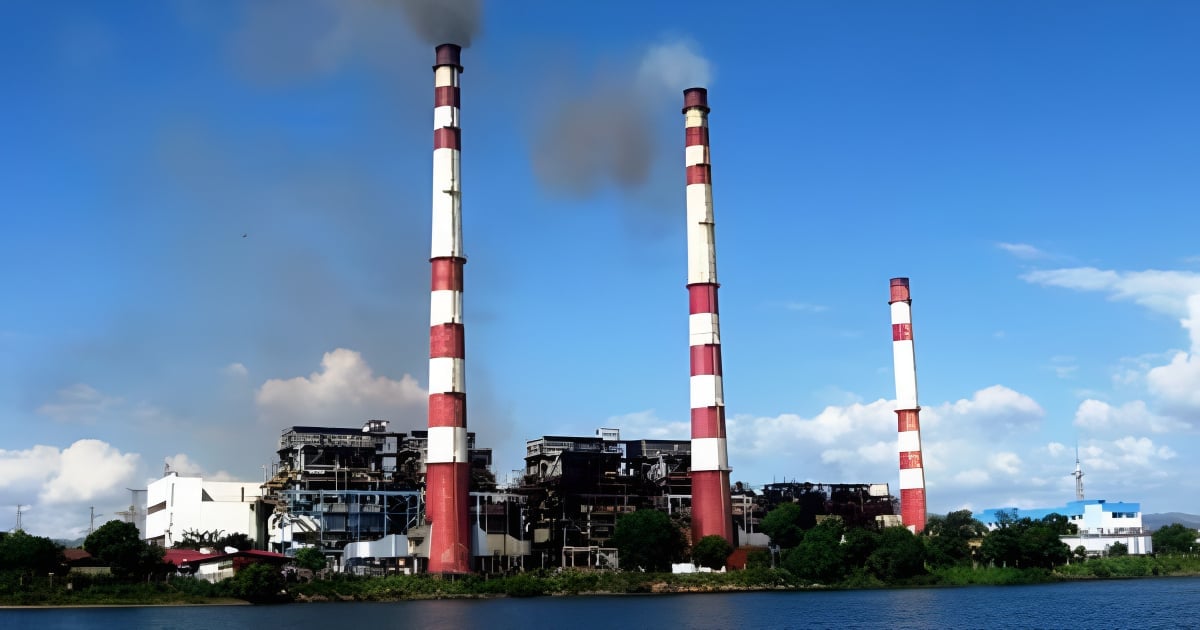
On Wednesday, two units from the Antonio Maceo Thermoelectric Plant, commonly referred to as Renté, located in Santiago de Cuba, were reconnected to the National Electric System (SEN). According to a Facebook post by the Unión Eléctrica (UNE), Unit 3 was operational by 5:20 PM, followed shortly by Unit 6 at 5:38 PM, enhancing the power generation capacity in the eastern region of the country.
However, the Renté plant has experienced significant instability in recent days, with its generating units frequently going offline, leading to persistent blackouts for residents without any signs of improvement. Despite the optimistic announcement regarding the reintegration of the units, CiberCuba reported that many Santiago de Cuba residents were still enduring prolonged outages, often exceeding the official schedule.
The news of the Renté units returning to service was met with skepticism on social media. Many expressed doubt and frustration, with comments reflecting a lack of confidence in the system's reliability. Luar Bontempo Camejo questioned, "Is this some kind of game where they come and go as they please?" capturing the disbelief of many. In a similar tone, Juan Antonio Roque sarcastically remarked, "Let's hope it lasts at least three days," while Tonito Rodrigo compared the units to "electric generators instead of thermoelectric plants."
Skepticism and Frustration Among Residents
Several readers insisted that the synchronization offered no relief. "All units could come online, and we'd still be in the dark," asserted Mario Aroche Arias. Robert Efi Eroko Enlluao Pérez added, "Now two will go offline," highlighting the lack of trust in the SEN's stability. Direct complaints also surfaced: "Why isn't power being supplied to Block 2 as scheduled from 4 PM?" asked Marilin Girón de Armas.
The criticism extended to government management, with Envimex Hlg sarcastically noting, "The UNE and INRH are in a race to see who messes us up first." Ruslan Esclante was more direct, stating, "They keep cutting the power. Just give this to Haiti already, enough with the games. Whether it's in or out, stop playing with the people, man."
Recent Setbacks and Official Promises
The public's skepticism is not unfounded. Just three days prior, on a rainy Sunday, two of Renté's units went offline. The UNE reported on Facebook that at 4:07 PM, Unit 3 was shut down due to low vacuum, and only seven minutes later, Unit 5 also ceased operations for reasons yet to be determined.
According to plant director Jesús Aguilar Hernández, interviewed by the official press on Tuesday, Units 3, 5, and 6 were all out of commission due to adverse weather conditions. Technical teams were attempting to restart Unit 6 to add approximately 50 megawatts back to the SEN, a goal accomplished the following day. A week earlier, Unit 5 had been taken offline due to a water station leak, with management unable to specify the duration of the outage.
This instability coincided with a visit from Cuban leader Miguel Díaz-Canel to the plant, whose assurances of improvement by year-end did little to inspire confidence, as the harsh reality continues to contradict the regime's promises.
Common Questions About Renté Power Plant and Cuba's Energy Crisis
Why is the Renté thermoelectric plant important for Cuba's energy supply?
The Renté thermoelectric plant plays a crucial role in Cuba's energy infrastructure by contributing significantly to electricity generation, particularly in the eastern part of the country. Its stability directly affects the power supply and the occurrence of blackouts.
What challenges has the Renté plant faced recently?
Recently, the Renté plant has dealt with significant operational instability, with its units frequently going offline due to technical issues and adverse weather conditions, causing widespread power outages.
How have residents reacted to the power outages?
Residents have expressed frustration and skepticism over the power outages, often questioning the reliability of official announcements and criticizing the government's handling of the energy crisis.